
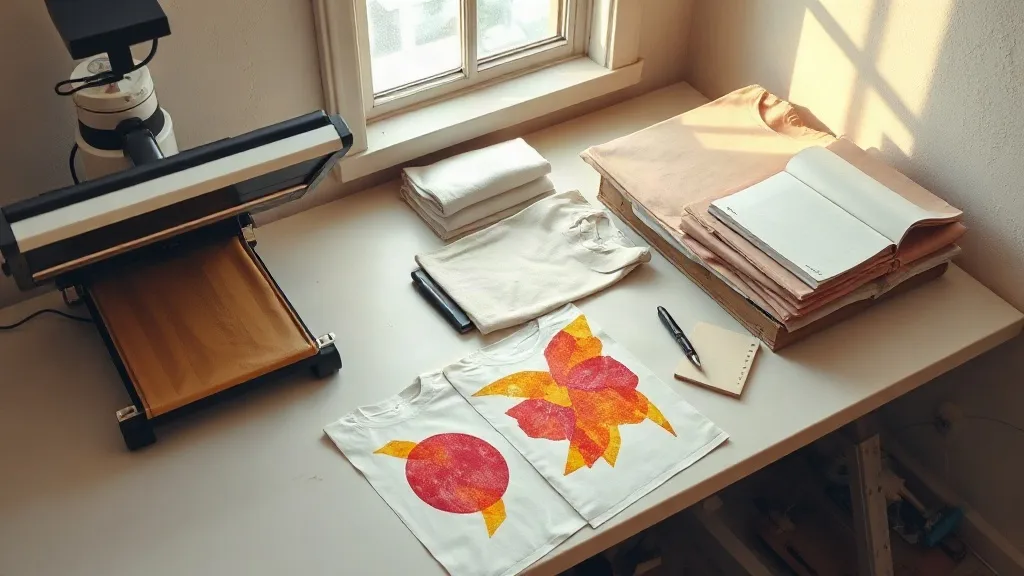
Walk into a busy print shop on a Tuesday morning and you will probably see the same thing: a heat press running nonstop, a stack of cotton tees on one table, and a small pile of transfer sheets on the other. For a growing number of shops, those sheets are dtf transfers, and they have changed the math on small-batch apparel work. The appeal is simple. You can print a full-color design with gradients, fine linework, and photographic detail, then press it onto almost any fabric without pre-treating, weeding, or color-separating anything. If you have been running vinyl and screen printing for years, that flexibility feels almost unfair.
This guide is written for the shop owner or side-hustler who is deciding whether dtf deserves a permanent spot in the workflow. It covers how the process works, what to look for when you order, how to press without ruining shirts, and how to price the work so it actually pays for the equipment.
What DTF Actually Is, Without the Marketing Spin
Direct-to-film is a printing method, not a fabric one. A printer lays down water-based pigment inks onto a PET film, then a powder adhesive is applied to the wet ink and cured. The result is a thin, flexible transfer sheet you can store flat and press on demand. Heat and pressure bond the adhesive to the garment, and the film peels away once it cools.
The important difference from vinyl or screen printing is that the design is already finished before it touches a shirt. There is no weeding tiny letters out of a sheet at midnight, and no screen setup fee for a five-piece order. That is why DTF fits so naturally into shops that take a lot of one-off jobs, team orders, and personalization work.
Where it beats the alternatives
- Full-color, photographic designs with no per-color cost increase
- Short runs of one to ten pieces that would be uneconomical on a screen press
- Cotton, blends, canvas, and many synthetic fabrics, including dark colors
- Storage: printed transfers keep for months if kept dry and flat
Where it falls short
Be honest with customers about the trade-offs. DTF has a slightly raised hand feel compared to a soft screen print, and the adhesive layer can show a faint edge on very stretchy, thin fabrics. On nylon and some coated performance wear, adhesion can be inconsistent, so always test a scrap before committing to a large order.
Ordering Transfers: What Separates Good Suppliers From Headaches
If you are searching for dtf transfers near me, the results can look identical on the surface. The differences show up in the details, and those details cost you money when they go wrong.
Ask about ink coverage and powder
A properly made transfer has an even adhesive coat. Thin spots cause peeling at the corners after a few washes; heavy powder leaves a stiff, chalky film. Request a sample before a big job and press it onto a shirt you own. Wash it twice. That single test tells you more than any spec sheet.
Check file requirements early
Most suppliers want a PNG with a transparent background at a decent resolution, or a vector file. A common mistake is sending a JPEG with a white box around the artwork, which then prints as a visible rectangle. Build a quick checklist into your order process so this never reaches production.
Plan for turnaround
Local pickup is worth a lot when a customer needs a shirt tomorrow. If you are ordering from a distance, keep a buffer of common sizes and a few blank garments on hand so a late delivery does not sink a deadline.
Pressing DTF Transfers: The Details That Decide Quality
Most failed presses come down to three variables: temperature, pressure, and time. Get them consistent and the process becomes boring, which is exactly what you want in production.
- Pre-press the garment. Thirty seconds of heat pulls out moisture and wrinkles. Skipping this is the number one cause of poor adhesion.
- Set the press. A typical range is 150 to 160 degrees Celsius for 10 to 15 seconds, but follow your supplier's recommendation and record what works.
- Use firm, even pressure. Medium to heavy pressure, applied across the whole design. Light pressure leaves the adhesive undercured.
- Peel cool or warm, per instructions. Cold peel transfers should be left to cool completely before the film comes off. Rushing this pulls ink away from the shirt.
- Post-press for ten seconds with a cover sheet or parchment to lock the edges.
Keep a log taped to the wall next to the press. Temperature, time, pressure setting, and fabric type for each job. When a customer returns with a complaint, that log answers the question in seconds instead of guesswork.
Pricing DTF Work So It Pays
The trap with transfer printing is treating it as a cheap upsell. It is not cheap if you account for your time. A realistic price has four parts: the transfer cost, the blank garment, your labor, and a margin for waste and reprints.
As a rough structure, a single-color tee with a small chest print might land in the low twenties retail, while a full back print on a premium blank can justify considerably more. Multi-piece orders should get a volume discount, but the discount should come out of your margin, not out of the transfer quality.
Bundle to raise order value
Customers who order one shirt often want three. Offer a set price for a front and back print together, or a small discount on orders of five or more. It costs you almost nothing extra in labor and lifts the average order noticeably.
Common Mistakes New Shops Make
After enough orders, the same problems repeat. Here are the ones worth guarding against from day one.
- Storing transfers in a humid room, which softens the adhesive before it is used
- Pressing over seams, zippers, or thick collars without a pillow or pad
- Reusing a cover sheet until it is stained and transfers residue to the next shirt
- Quoting a price before checking the actual garment and design size
- Skipping the wash test on a new supplier's first batch
None of these are difficult to fix. They simply need to become habits rather than afterthoughts.
Frequently Asked Questions
How long do DTF transfers last on a shirt?
With correct pressing and normal washing, most quality transfers hold up for dozens of wash cycles. Wash inside out in cold water and avoid high dryer heat to extend the life of the print.
Can you press DTF onto polyester and nylon?
Polyester usually works well, though lower temperatures may be needed to avoid dye migration. Nylon and coated performance fabrics are hit or miss, so always run a test press on an offcut before printing a full order.
Do I need a special heat press for DTF?
A standard clamshell or swing-away heat press with reliable temperature and pressure control is enough. What matters more than the brand is consistency, so calibrate your press and record the settings that work.
Is DTF cheaper than screen printing for small orders?
For runs under about two dozen pieces, yes, because there are no screen setup costs. Above that volume, screen printing usually becomes more economical per unit, so it pays to offer both and match the method to the order size.
Can I print white ink on dark shirts with DTF?
Yes, and this is one of the method's strongest advantages. The white ink layer sits under the color, so bright designs stay bright on black and navy garments without any extra steps.