
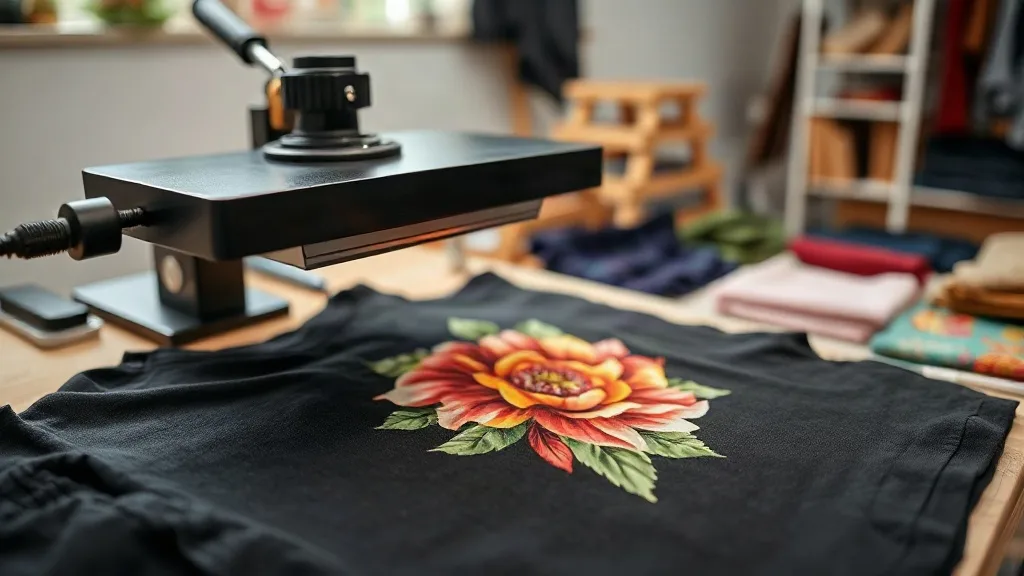
Custom apparel has never been more accessible, thanks to dtf transfers. Whether you're a small business owner looking to offer personalized products, a hobbyist wanting to create unique gifts, or someone exploring print-on-demand, understanding DTF technology can open up a world of creative possibilities. In this guide, we'll walk you through what DTF transfers are, how they work, and how you can get started with your own projects.
What Are DTF Transfers?
DTF stands for Direct to Film. It's a printing method where your design is printed onto a special film, coated with adhesive powder, and then heat-pressed onto fabric. Unlike DTG (Direct to Garment) printing, which requires specialized printers and is often limited to cotton fabrics, DTF works on a wide range of materials, including polyester, blends, and even dark colors. The process involves printing a mirror image of your design onto the film using pigment inks, applying a thermoplastic polyurethane (TPU) powder while the ink is still wet, and then curing the powder with heat. The result is a transfer that can be stored and used later. When you're ready, you simply place the transfer on your garment and press it with a heat press.
Why Choose DTF Transfers?
There are several reasons why DTF has become a popular choice among crafters and professionals alike:
- Versatility: DTF transfers adhere to almost any fabric, including cotton, polyester, silk, and leather. This means you can experiment with different materials without worrying about compatibility.
- Vibrant colors: The pigment inks used in DTF printing produce bright, bold colors that stand out, even on dark garments. You don't need to pretreat the fabric, which saves time and money.
- Durability: When applied correctly, DTF transfers are highly durable and can withstand repeated washing without fading or cracking. They stretch with the fabric, making them ideal for stretchy materials like spandex.
- Cost-effective: For small batches or one-off designs, DTF transfers are more economical than screen printing, which requires setup costs for each color. You can order transfers in small quantities or even print them yourself if you have the equipment.
- Easy to use: Applying a DTF transfer is straightforward: you just need a heat press and a few minutes. It's a great option for beginners.
How to Apply DTF Transfers
Applying a DTF transfer is a simple process, but following the right steps ensures a professional finish. Here's a step-by-step guide:
- Preheat your heat press: Set your heat press to the recommended temperature, usually around 300°F to 325°F (150°C to 160°C).
- Pre-press the garment: Place your garment on the press and press for a few seconds to remove wrinkles and moisture. This helps the transfer adhere better.
- Position the transfer: Place the DTF transfer on the garment with the printed side facing up. The design should be face up, and the film backing will be on top.
- Press: Cover the transfer with a protective sheet or parchment paper (optional but recommended to protect your press). Press with medium pressure for 10-15 seconds.
- Peel: Allow the transfer to cool completely before peeling off the film. Peel slowly and evenly. If the design starts to lift, press again for a few more seconds.
- Post-press (optional): For added durability, you can press the garment again for a few seconds with a cover sheet.
And that's it! Your custom apparel is ready to wear.
Where to Find DTF Transfers
If you're looking to try DTF transfers, you have a couple of options. You can purchase pre-made transfers from online retailers or local print shops. Many companies offer custom transfers where you upload your design, and they ship the transfers to you. Alternatively, if you're handy, you can invest in a DTF printer and produce your own transfers. When searching for dtf transfers near me, you might find local businesses that provide DTF printing services, which can be convenient for quick turnarounds or bulk orders. For those who prefer to buy online, there are numerous suppliers that cater to all budget levels.
DTF vs. Other Printing Methods
Understanding how DTF compares to other common printing methods can help you choose the right one for your needs.
DTF vs. DTG
DTG (Direct to Garment) printing is ideal for 100% cotton fabrics and produces soft, breathable prints. However, DTG requires pretreatment and is limited to cotton. DTF, on the other hand, works on almost any fabric and doesn't require pretreatment, making it more versatile.
DTF vs. Screen Printing
Screen printing is cost-effective for large orders with few colors, but it has high setup costs and is not practical for small batches or detailed designs. DTF is better for small runs, full-color designs, and complex artwork.
DTF vs. Vinyl
Heat transfer vinyl (HTV) is great for simple designs and single-color projects, but it can be time-consuming to weed and layer for multi-color designs. DTF simplifies the process by printing the entire design at once.
Tips for Successful DTF Transfers
- Choose the right film: Not all DTF films are created equal. Invest in quality film that releases easily and prevents ink from bleeding.
- Store transfers properly: Keep unused transfers in a cool, dry place away from direct sunlight to prevent the adhesive from curing prematurely.
- Test on scrap fabric: Before applying to your final garment, do a test press on a similar fabric to dial in the temperature and pressure.
- Use a heat press, not an iron: While some people use household irons, a heat press provides consistent pressure and temperature, ensuring a professional result.
- Wash inside out: To prolong the life of your DTF-printed apparel, wash inside out in cold water and tumble dry low.
Frequently Asked Questions
Can I use DTF transfers on dark colors?
Yes, DTF transfers work beautifully on dark fabrics. The white ink layer in the transfer ensures the colors pop, and no pretreatment is needed.
How long do DTF transfers last?
With proper application and care, DTF transfers can last as long as the garment itself. They are resistant to cracking and fading.
Do I need a special printer for DTF?
To create your own DTF transfers, you need a DTF printer and a heat press. However, you can also buy pre-made transfers from suppliers, which is more cost-effective for occasional use.
Can I stretch DTF transfers?
Yes, DTF transfers are flexible and can stretch with the fabric. They are suitable for stretchy materials like spandex and knitwear.
Where can I buy DTF transfers?
You can find DTF transfers from online suppliers, local print shops, or specialized DTF printing services. When searching for dtf transfers near me, check local listings for quick service.