
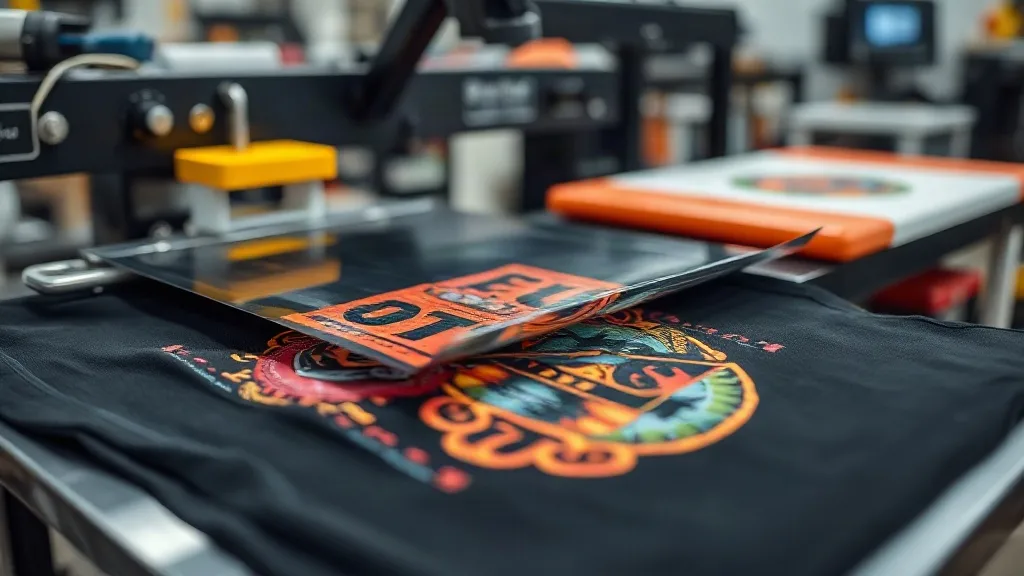
If you've been exploring custom apparel printing, you've likely encountered dtf transfers. This innovative technology is transforming how creators and businesses approach fabric printing, offering vibrant colors and impressive durability. In this guide, we'll break down what DTF transfers are, how they work, and why they might be the perfect solution for your next project.
What Are DTF Transfers?
DTF stands for Direct-to-Film. It's a printing method where your design is printed onto a special film, then coated with a powder adhesive and heat-pressed onto fabric. Unlike DTG (Direct-to-Garment) printing, which prints directly onto the fabric, DTF transfers allow you to print on a wide range of materials, including cotton, polyester, blends, and even nylon. This versatility makes dtf a popular choice for small businesses, hobbyists, and anyone looking to create professional-looking custom items.
How DTF Transfers Work
The DTF process involves several steps:
- Design Preparation: Your artwork is prepared digitally, with colors adjusted for optimal printing.
- Printing: The design is printed onto a PET film using specialized DTF printers and inks.
- Powder Application: A hot-melt adhesive powder is applied to the wet ink.
- Curing: The powder is melted and cured using heat, creating a durable, flexible layer.
- Transfer: The film is placed on the fabric and heat-pressed, transferring the design.
This multi-step process ensures that the final print is vibrant, stretchable, and resistant to cracking and fading.
Why Choose DTF Transfers?
There are several compelling reasons to consider DTF transfers for your printing needs:
- Versatility: Works on almost any fabric, including dark and light colors, without the need for pre-treatment.
- Durability: Prints are highly durable, withstanding multiple washes without losing color or elasticity.
- Cost-Effective for Small Runs: No minimum order quantities, making it ideal for one-offs or small batches.
- High Detail: Achieve fine details and gradients that other methods might struggle with.
- Speed: Once the film is prepared, transferring is quick, perfect for on-demand production.
These benefits make DTF transfers a smart choice for businesses looking to offer custom apparel without hefty setup costs.
Finding DTF Transfers Near Me
If you're searching for dtf transfers near me, you're in luck. Many local print shops and online services now offer DTF printing. When choosing a provider, consider the following:
- Quality: Look for reviews and samples to ensure vibrant colors and durability.
- Turnaround Time: Check how quickly they can fulfill orders, especially if you're on a deadline.
- Pricing: Compare costs, but remember that cheapest isn't always best; quality matters.
- Customer Service: A responsive team can help you troubleshoot and ensure satisfaction.
For those who prefer to print in-house, investing in a DTF printer and supplies might be worthwhile. But for occasional needs, outsourcing to a local provider is often more practical.
DTF vs. Other Printing Methods
How does DTF stack up against other popular printing techniques? Here's a quick comparison:
- DTG: Great for cotton but limited on synthetics; DTF works on more fabrics.
- Screen Printing: Cost-effective for large orders but expensive for small runs; DTF is better for small batches.
- Vinyl: Limited to simple designs; DTF handles complex artwork with ease.
- Sublimation: Only works on polyester and light colors; DTF is more versatile.
Each method has its strengths, but DTF's flexibility makes it a strong contender for diverse projects.
Tips for Successful DTF Transfers
To get the best results with DTF transfers, keep these tips in mind:
- Choose the Right Film: Use quality DTF film designed for your printer.
- Control Moisture: Fabric should be dry before pressing to avoid steam and poor adhesion.
- Pre-Press Fabric: Remove wrinkles and moisture by pre-pressing for a few seconds.
- Follow Heat Press Settings: Use the recommended temperature, pressure, and time for your specific materials.
- Peel Correctly: Wait for the transfer to cool completely before peeling the film for a smooth finish.
These small steps can make a big difference in the longevity and appearance of your prints.
Common Mistakes to Avoid
Even experienced printers can run into issues. Here are some common pitfalls:
- Insufficient Pressure: Uneven pressure leads to poor adhesion.
- Wrong Temperature: Too hot can scorch fabric; too cold means the adhesive won't activate.
- Peeling Too Soon: Peeling while hot can distort the design.
- Using Low-Quality Powder: Invest in reputable adhesive powder for durability.
- Ignoring Fabric Type: Always test on a swatch, especially with heat-sensitive fabrics.
By avoiding these mistakes, you'll achieve professional-looking results every time.
Frequently Asked Questions
How long do DTF transfers last?
With proper application and care, DTF transfers can last as long as the garment itself, often 50+ washes without significant fading or cracking.
Can I use DTF transfers on dark shirts?
Absolutely! DTF transfers include a white ink layer that makes designs pop on dark fabrics, unlike some other methods.
Do I need special equipment for DTF transfers?
You'll need a DTF printer, film, powder, and a heat press. For occasional use, outsourcing to a local DTF provider is more cost-effective.
Is DTF printing eco-friendly?
DTF uses water-based inks and no pre-treatment chemicals, making it relatively eco-friendly compared to some alternatives. However, the film and powder do contribute to waste, so recycling programs are emerging.
What fabrics work best with DTF?
DTF works on cotton, polyester, blends, nylon, and more. It's not ideal for fabrics with heavy textures or coatings.
Whether you're a business owner or a DIY enthusiast, DTF transfers offer a reliable way to bring your designs to life. With the right knowledge and tools, you can achieve stunning, durable prints that impress.