
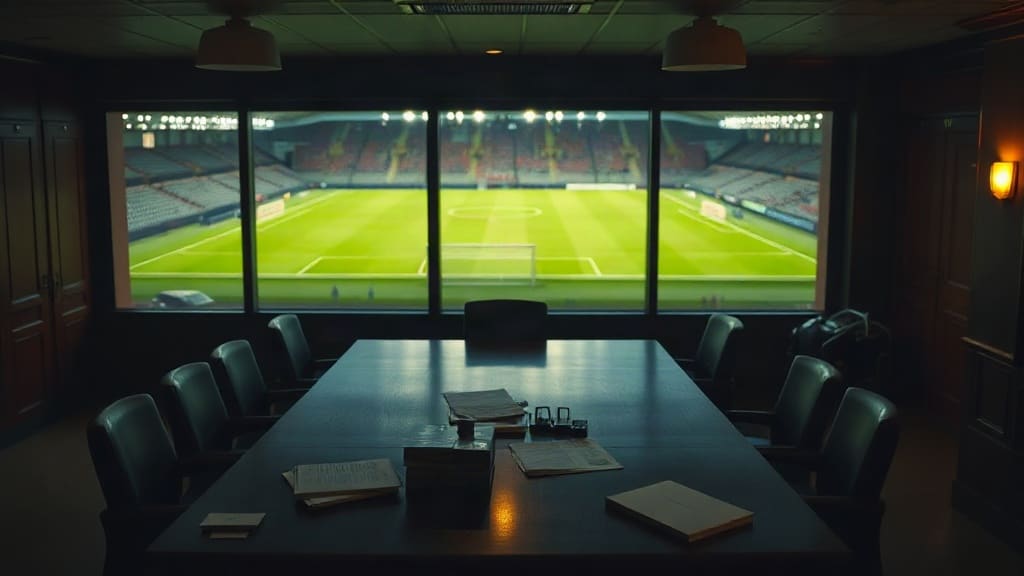
When Wrexham AFC became the most talked-about football club on the planet, most of the attention landed on the two famous faces in the directors' box. Ryan Reynolds and Rob McElhenney turned a fifth-tier Welsh club into a global brand, a streaming phenomenon and, eventually, a team climbing back up the English pyramid. But behind that headline story sat a smaller, quieter figure whose role was arguably just as decisive: the person who first put the Hollywood pair and the club in the same room. That figure has now stepped down from Wrexham's board, and the departure deserves more than a passing mention.
Who Actually Made the Wrexham Fairytale Possible?
The popular version of the Wrexham story starts with two comedians scrolling through football documentaries and deciding, half as a joke, to buy a struggling club. The reality is that takeover bids do not appear out of thin air. Someone has to make the introduction, translate the romance into a workable business case, and convince a community-owned club that handing over its future to two Americans is not a betrayal but an opportunity.
That is the work the departing board member did. By acting as the bridge between Wrexham's supporters' trust and the Reynolds-McElhenney camp, this person helped turn a long-shot idea into a completed deal. Without that intermediary, the club might still be grinding through the National League, and the documentary cameras would never have arrived.
It is worth pausing on how unusual that arrangement was. Wrexham was not a distressed asset being flipped by an owner. It was owned by its own fans, and any sale required trust on both sides. The person stepping down now was central to building exactly that trust, which is why the exit is more than a routine boardroom reshuffle.
Why This Departure Matters More Than It Looks
Boards change all the time. Directors come and go, especially at clubs that have grown as fast as Wrexham has. So why should anyone outside North Wales care?
Because Wrexham is no longer just a football club. It is a case study in how celebrity ownership, streaming television and community identity can be blended into something commercially powerful. Every decision at the top now carries symbolic weight. When the person most closely associated with the original takeover leaves the board, it signals a shift from the founding phase to the operating phase.
Think of it as the difference between launching a startup and running a company. The people who are brilliant at the first job are not always the ones you want for the second. Founders who thrive on negotiation and persuasion may find the day-to-day governance of a growing organisation tedious. A clean, amicable exit can be a sign of maturity rather than crisis.
There is also the question of attention. Reynolds and McElhenney have busy careers, and Wrexham's rise has multiplied the number of decisions that need making. Someone has to handle stadium redevelopment, league compliance, commercial partnerships and community relations. A board that was once small and informal now has to function like a proper institution.
The Wider Context: A Club That Outgrew Its Own Story
Wrexham's trajectory has been extraordinary by any measure. Back-to-back promotions lifted the club out of the National League and up through League Two, putting it within touching distance of the higher tiers of English football. Each step up brings more money, more scrutiny and more pressure.
That growth creates a paradox. The takeover was sold as a rescue mission for a beloved underdog. Success has turned Wrexham into a brand with global merchandise sales, a hit documentary series and sponsors queuing up. The underdog story is now a business story, and businesses need different skills at the top.
Supporters will inevitably ask whether the founding vision is being diluted. It is a fair question, and the honest answer is that some dilution is unavoidable. You cannot climb the leagues and remain the scrappy club you were in the fifth tier. What matters is whether the community connection survives the growth. So far, the signs have been encouraging, but the board's composition is part of how that connection is maintained.
What Happens Next for Reynolds, McElhenney and the Board
The immediate practical impact is likely to be modest. Wrexham's ownership structure remains intact, and the club's strategy, built around steady investment, infrastructure and promotion pushes, is unlikely to change overnight. The two co-chairmen have consistently presented themselves as long-term stewards rather than quick-flip investors.
Still, the vacuum left by a founding figure has to be filled. That means either promoting from within, bringing in someone with experience of running a club at a higher level, or leaning more heavily on existing executives. Each option sends a different message about where Wrexham sees itself in five years.
For fans, the most useful thing to watch is not the press release but the pattern of decisions over the coming months. Who takes on the community liaison role? How are supporter concerns handled during the next round of stadium work? Does the club keep investing in the women's team and the academy? Those choices reveal more about a club's direction than any single resignation.
Three Signals Worth Watching
- Board composition: whether the replacement brings football governance experience or commercial expertise tells you which problem the club thinks is most urgent.
- Fan communication: a transparent explanation of the exit, rather than silence, would reinforce the trust that made the takeover possible in the first place.
- Investment pace: continued spending on infrastructure suggests the founders' ambitions are unchanged; a slowdown might hint at a more cautious phase.
A Reminder That Takeovers Are Built by People, Not Headlines
One lesson from this episode is easy to overlook. The Wrexham phenomenon is often told as a story about celebrity magic. In truth, it was assembled by individuals doing unglamorous work: drafting proposals, answering sceptical questions at supporters' meetings, and persuading people to take a risk on outsiders.
The person leaving the board was one of those individuals. Their departure is not a cliffhanger, and it should not be framed as one. It is a natural moment in the life of an organisation that has changed almost beyond recognition in a few short years. The romantic phase is over. What comes next is the harder, less cinematic work of sustaining success.
For Wrexham supporters, that is neither a disaster nor a triumph. It is simply the next chapter, and the club's ability to navigate it calmly will say a great deal about whether the Hollywood experiment becomes a lasting legacy or a memorable footnote.
Frequently Asked Questions
Did the Hollywood takeover of Wrexham fall apart because of this resignation?
No. A single board departure does not change who owns the club. Ryan Reynolds and Rob McElhenney remain the co-chairmen, and the club's overall strategy is not expected to shift dramatically. Board turnover is normal for organisations growing as quickly as Wrexham has.
Why is the person who arranged the takeover so important to Wrexham's history?
Because the deal was never inevitable. Wrexham was fan-owned, and selling to foreign investors required persuasion on both sides. The departing board member acted as the link between the supporters' trust and the Reynolds-McElhenney camp, helping turn a speculative idea into a completed agreement.
Will this affect Wrexham's promotion ambitions?
There is no indication of that. Promotion pushes depend on squad investment, management and recruitment, none of which are directly tied to one director's seat. The more relevant question is whether the board can keep making quick, well-informed decisions as the club grows.
What should fans watch for in the coming months?
Look at who replaces the departing director, how openly the club communicates about the change, and whether spending on the stadium, academy and women's team continues. Those details will reveal whether Wrexham is entering a consolidation phase or pushing ahead at full speed.