
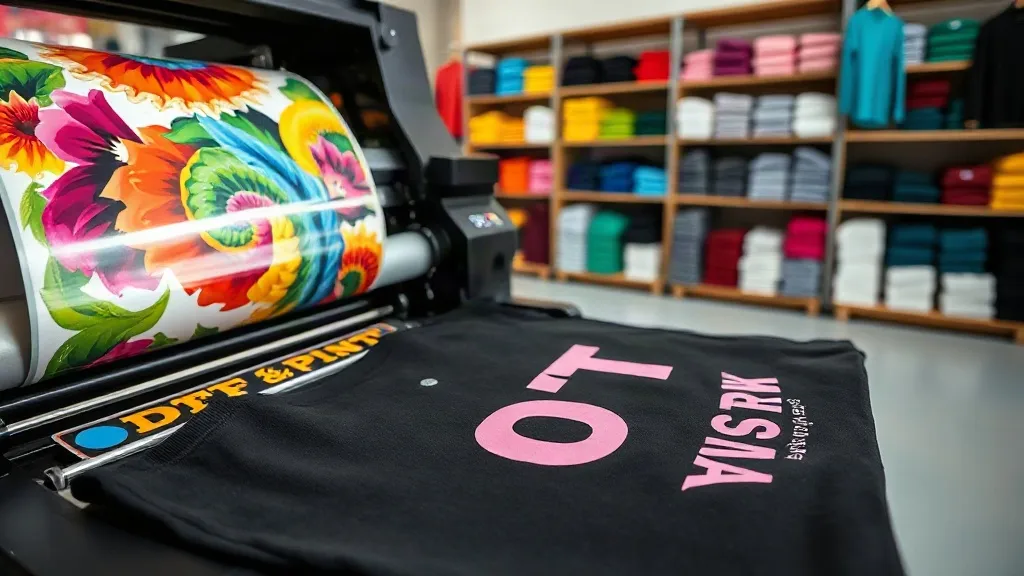
Imagine creating a full-color, photo-realistic design on a t-shirt that survives countless washes without fading or cracking. That's the promise of dtf printing, a digital transfer technology that has taken the custom apparel world by storm. Unlike traditional methods that require separate screens or specialized papers, DTF (Direct to Film) printing offers unparalleled versatility and durability. In this guide, we'll dive deep into what DTF is, how it works, and why it might be the perfect solution for your next project.
What is DTF Printing?
DTF printing stands for Direct to Film. It's a printing process where your design is printed onto a special PET film using water-based inks, then coated with a hot-melt adhesive powder. The film is then cured and can be transferred onto various fabrics using a heat press. This method allows for intricate details and vibrant colors on both light and dark garments, without the need for pretreatment or weeding.
The technology has gained massive popularity because it eliminates many limitations of older techniques like screen printing and DTG (Direct to Garment). With dtf transfers, you can print on cotton, polyester, blends, and even non-fabric surfaces like canvas and leather. The results are soft to the touch and extremely durable.
How DTF Printing Works: Step by Step
Understanding the process helps you appreciate the magic behind DTF. Here's a breakdown of the key steps:
- Design Preparation: Your artwork is prepared in a graphics program, ensuring it's mirrored (unless your printer software does it automatically).
- Printing: The design is printed onto a special PET film using a DTF printer with CMYK and white inks.
- Powder Application: While the ink is still wet, a thermoplastic powder is applied evenly over the design.
- Curing: The film goes through a curing oven or heat press to melt the powder, creating a flexible adhesive layer.
- Transfer: The film is placed on the fabric and pressed with a heat press at specific temperature and pressure.
- Peeling: After cooling, the film is peeled away, leaving the design bonded to the fabric.
Each step requires precision, but once mastered, DTF opens up a world of possibilities for custom apparel.
Why Choose DTF Transfers?
There are several compelling reasons to consider DTF for your printing needs. Let's explore the main advantages.
Unmatched Versatility
DTF works on almost any fabric, including those that are difficult for other methods. You can print on 100% cotton, 100% polyester, blends, and even stretchy materials like spandex. This makes it ideal for a wide range of garments, from t-shirts and hoodies to tote bags and caps.
Vibrant Colors and Fine Details
Because DTF uses CMYK+White inks, it can reproduce full-color images with gradients, shadows, and fine lines. Unlike screen printing, there's no color limitation, and you don't need separate screens for each color. This makes it perfect for photographic designs and complex artwork.
Durability and Washability
When applied correctly, DTF transfers are incredibly durable. They resist cracking, peeling, and fading even after multiple washes. The key is proper curing and pressing, which ensures the adhesive bonds firmly with the fabric fibers.
Cost-Effective for Short Runs
For small batches or one-off designs, DTF is more economical than screen printing, which requires setup costs for each color. There's no minimum order quantity, so you can print a single shirt or hundreds without breaking the bank.
No Weeding or Pretreatment
Unlike vinyl cutting, DTF doesn't require weeding (removing excess material), which saves time and labor. Also, unlike DTG, you don't need to pretreat the garment, simplifying the workflow.
DTF vs. Other Printing Methods
How does DTF stack up against other popular techniques? Here's a quick comparison.
DTF vs. Screen Printing
Screen printing is cost-effective for large orders but struggles with complex designs and small batches. DTF excels in both, with no color limits and no setup fees. However, screen printing can be faster for very large runs and may offer slightly better longevity on certain fabrics. For detailed, multi-color designs, DTF is often the winner.
DTF vs. DTG
DTG (Direct to Garment) prints directly onto the fabric, which can be limiting on dark colors and polyester. DTF can print on dark garments without pretreatment and adheres well to polyester. DTG may have a softer feel on cotton, but DTF is more versatile overall.
DTF vs. Vinyl
Heat transfer vinyl (HTV) is great for simple designs but requires weeding and layering for multiple colors. DTF handles full-color images in one step and is more durable for intricate designs.
Applications of DTF Printing
DTF is not just for t-shirts. Its flexibility makes it suitable for a wide range of applications:
- Custom Apparel: T-shirts, hoodies, jeans, jackets, and sportswear.
- Accessories: Tote bags, hats, socks, and backpacks.
- Home Decor: Pillows, curtains, and upholstery.
- Promotional Items: Corporate giveaways, event merchandise.
- Specialty Fabrics: Leather, canvas, and even wood (with proper adhesion).
If you can heat press it, you can probably DTF it.
Getting Started with DTF Printing
Ready to try DTF? Here's what you need to know.
Equipment and Supplies
You'll need a DTF printer (or access to a service), PET film, DTF ink, hot-melt powder, and a heat press. For beginners, outsourcing to a DTF transfer service can be a cost-effective way to test the waters before investing in equipment.
Design Tips for Best Results
Keep these tips in mind:
- Use high-resolution images (300 DPI or higher).
- Add a white underbase for dark garments (most DTF printers do this automatically).
- Mirror your design if required by your printer.
- Test on scrap fabric before pressing your final garment.
Pressing Parameters
Typical settings: temperature 160-170°C (320-340°F), pressure medium to high, time 10-15 seconds. Always check your transfer supplier's recommendations.
Common Mistakes to Avoid
Even seasoned pros can slip up. Watch out for these pitfalls:
- Insufficient curing: If the powder isn't fully melted, the transfer won't adhere properly.
- Too much pressure: Can cause the design to spread or the adhesive to bleed.
- Pressing on the wrong side: Always press the film onto the fabric, not the other way around.
- Not pre-pressing the garment: This removes moisture and wrinkles for a smoother application.
Frequently Asked Questions
What fabrics can I use with DTF transfers?
DTF works on cotton, polyester, blends, spandex, leather, canvas, and more. It's one of the most versatile transfer methods available.
How long do DTF transfers last?
With proper application and care, DTF prints can last as long as the garment itself. They resist cracking and fading through many wash cycles.
Do I need special ink for DTF printing?
Yes, DTF requires water-based DTF inks, typically CMYK plus white. Using other inks may clog the printer or produce poor results.
Can I use a regular heat press for DTF?
Absolutely. A standard heat press works fine as long as you can control temperature, pressure, and time. Some people even use a home iron, but results may vary.
Is DTF printing eco-friendly?
DTF inks are water-based and generally more environmentally friendly than solvent-based alternatives. However, the PET film and powder do contribute to waste, so recycling options are limited.
DTF printing is a game-changer for anyone in the custom apparel industry. Its ability to produce vibrant, durable designs on a wide range of materials with minimal setup makes it a top choice for businesses and hobbyists alike. Whether you're printing a single shirt or a thousand, DTF transfers deliver professional results that impress. So why not give it a try? Your next masterpiece is just a press away.