
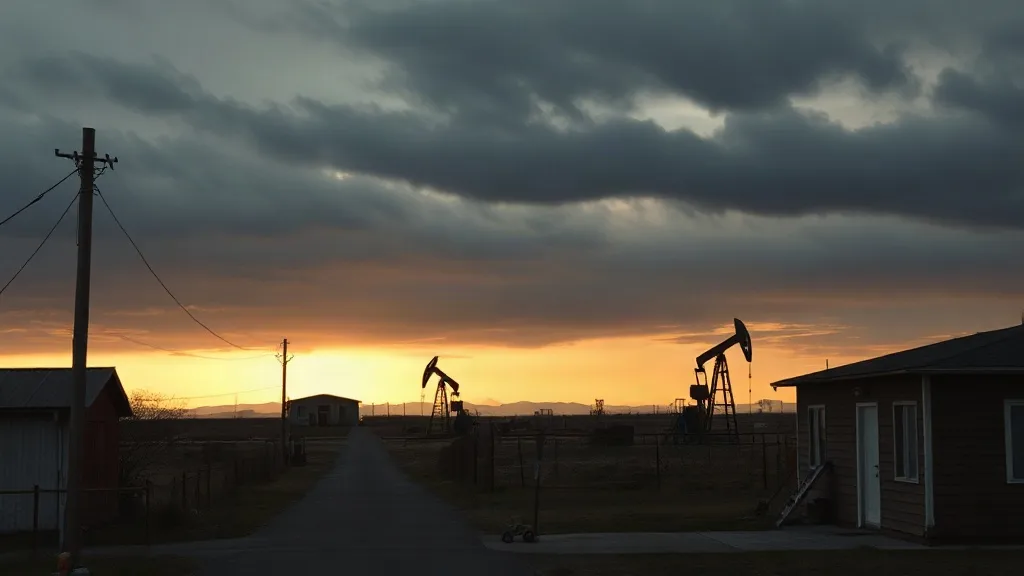
In the windswept plains of Argentine Patagonia, the town of Allen seems unremarkable at first glance. But along Calle Ciega 10, a dead-end street on the eastern edge of the Vaca Muerta shale formation, a troubling pattern has emerged. Over the past 13 years, since a well was drilled near their homes, residents say they have suffered migraines, nausea, skin irritation, and more severe conditions: cancers, congenital abnormalities, miscarriages, and stillbirths. These are the hidden costs of fracking, a boom that has transformed Argentina's economy but left a trail of sickness in its wake.
Vaca Muerta, Spanish for "dead cow," is one of the world's largest shale reserves, holding the second-largest shale gas and fourth-largest shale oil deposits globally. With over 2,600 active wells, it is a cornerstone of Argentina's energy ambitions. But for those living in its shadow, the promise of prosperity has come at a steep price. The environmental and health impacts of fracking are increasingly hard to ignore, as families in Allen and neighboring communities speak out about mysterious ailments they believe are linked to nearby extraction activities.
The Human Toll of Vaca Muerta
Allen, a small town in Río Negro province, sits atop the eastern edge of Vaca Muerta. For decades, it was a quiet agricultural hub. Then came the fracking boom. Hydraulic fracturing, or fracking, involves injecting water, sand, and chemicals at high pressure to crack shale rock and release oil and gas. The process has been linked to air and water pollution, earthquakes, and health problems in other parts of the world. In Allen, residents say the evidence is in their own bodies.
One woman, who asked not to be named, describes how her son was born with a congenital heart defect. Another neighbor developed leukemia. Several women on the street have suffered miscarriages. "We are not against progress," one resident told local media. "But we want to live without fear of getting sick." These accounts are not isolated. Across the region, similar stories have emerged, painting a picture of a community under siege.
The well near Calle Ciega 10 is one of many dotting the landscape. According to industry data, Vaca Muerta has more than 2,600 active wells, with projections to reach 22,000. Each well requires millions of gallons of water and thousands of tons of sand and chemicals. While companies argue that fracking is safe when properly regulated, critics point to a growing body of research linking the practice to health risks.
What Science Says About Fracking and Health
Studies from the United States, where fracking has been widespread for two decades, have found associations between living near shale gas operations and increased rates of asthma, heart disease, and adverse birth outcomes. A 2019 review in the journal Environmental Health concluded that "the weight of the evidence suggests that fracking is a public health hazard." In Argentina, however, comprehensive studies are lacking. The government has been slow to investigate, and oil companies have resisted calls for independent health assessments.
Dr. María Fernández, a physician in Neuquén, says she has seen a rise in respiratory and dermatological complaints among patients living near fracking sites. "We cannot prove causation yet, but the pattern is concerning," she says. "We need more research, and we need it now." The lack of data is a common complaint among residents and activists, who argue that the government is prioritizing energy revenue over public health.
Environmental groups have documented cases of water contamination. In some communities, residents report that their tap water has a strange taste and odor, and that it can be lit on fire, a phenomenon linked to methane migration. A 2021 report by the Argentine environmental organization OPSur found that many families in Vaca Muerta live within a few hundred meters of active wells, often without being informed of the risks.
The Economic Promise and Its Price
Argentina's government sees Vaca Muerta as a lifeline. The country has struggled with economic crises, and shale oil and gas exports have brought in billions of dollars. In 2022, Vaca Muerta produced a record amount of oil, and plans are underway to build a massive pipeline to transport gas to Buenos Aires and beyond. For a nation battling inflation and debt, the revenue is crucial.
But the boom has also brought social tensions. Many local residents feel they have been left out of the prosperity. Jobs are often filled by workers from outside the region, and the influx of money has driven up housing costs. Meanwhile, those who complain about health issues say they are ignored or dismissed. "We are told that we are imagining things," says a community organizer in Allen. "But we know our bodies. We know when something is wrong."
The situation in Allen is not unique. In other parts of Argentina, such as the province of Entre Ríos, fracking has been banned due to environmental concerns. But in Vaca Muerta, the industry has strong political backing. President Alberto Fernández has called shale development a "strategic priority," and his government has provided subsidies and tax breaks to energy companies.
Voices of Resistance
Despite the challenges, residents are organizing. In Allen, a group called "Calle Ciega 10" has been demanding relocation for families living near the well. They have filed complaints with local authorities and held protests. Their efforts have drawn attention from national and international media, putting pressure on the government to act.
"We are not asking for much," says one mother. "Just a safe place to raise our children." The group has also called for a moratorium on new wells until health studies are conducted. So far, their pleas have fallen on deaf ears. The provincial government of Río Negro has not responded to requests for comment, and the oil company operating the well declined to be interviewed for this story.
Legal avenues are also being explored. In 2020, a group of residents filed a lawsuit against the provincial government and the oil company, alleging that their constitutional right to a healthy environment has been violated. The case is ongoing, but it faces an uphill battle. Argentina's courts are often slow, and powerful economic interests are at stake.
What Can Be Done?
Experts say that better regulation and monitoring could reduce the risks of fracking. Some recommendations include:
- Conducting baseline health and environmental assessments before drilling begins.
- Requiring companies to disclose the chemicals used in fracking fluids.
- Establishing minimum setback distances between wells and homes, schools, and hospitals.
- Investing in independent research on the health impacts of shale extraction.
- Ensuring that affected communities have a voice in decision-making processes.
For residents of Allen, these measures cannot come soon enough. Every day, they live with the uncertainty of not knowing whether the air they breathe or the water they drink is making them sick. The hidden costs of fracking are not just environmental; they are measured in human lives.
Frequently Asked Questions
What is fracking and why is it controversial?
Fracking, or hydraulic fracturing, is a method of extracting oil and gas from shale rock by injecting a high-pressure mixture of water, sand, and chemicals. It is controversial because of its potential environmental and health impacts, including water contamination, air pollution, and induced earthquakes.
What health problems have been reported in Vaca Muerta?
Residents near fracking sites in Vaca Muerta have reported a range of health issues, including migraines, nausea, skin irritation, cancers, congenital abnormalities, miscarriages, and stillbirths. Many believe these are linked to pollution from nearby wells.
Is there scientific evidence linking fracking to health problems?
Studies from the United States and other countries have found associations between living near fracking operations and increased rates of asthma, heart disease, and adverse birth outcomes. However, comprehensive studies in Argentina are lacking, and more research is needed to establish causation.
What are residents and activists doing to address the issue?
Residents in Allen have organized protests, filed complaints, and demanded relocation for families living near wells. They are also calling for a moratorium on new wells until health studies are conducted. Some have filed lawsuits against the government and oil companies.
How can the risks of fracking be reduced?
Experts recommend stricter regulations, including mandatory health assessments, disclosure of chemicals, minimum setback distances, and independent research. Ensuring community involvement in decision-making is also crucial.