
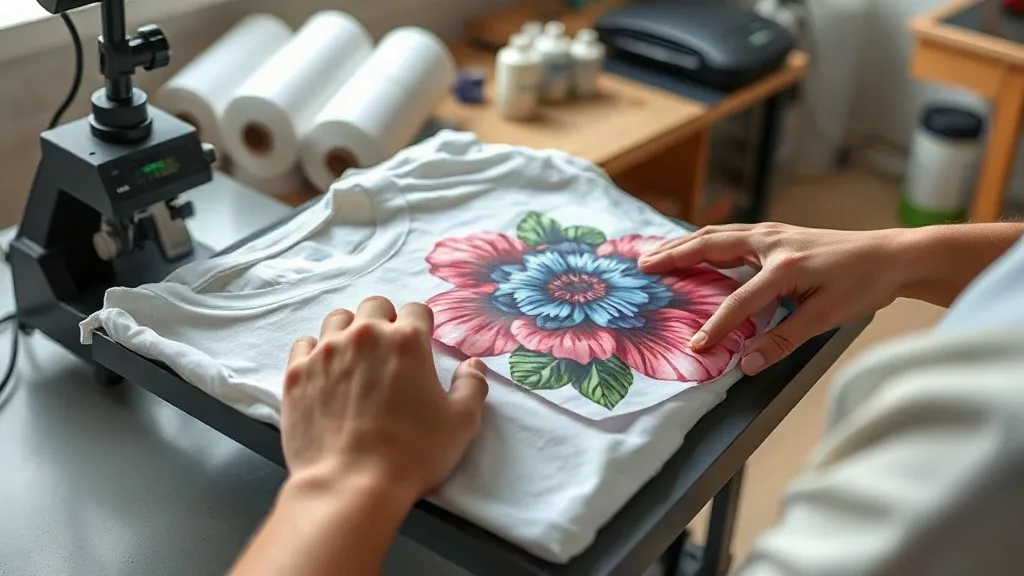
Imagine pressing a single sheet onto a cotton t-shirt and pulling away a print so vivid it looks like it was woven into the fabric. That is the magic of dtf transfers, a technology that has taken the custom apparel world by storm. Whether you are a small business owner, a hobbyist, or a professional printer, understanding DTF transfers can unlock new creative and commercial possibilities. In this guide, we will walk you through everything you need to know about DTF transfers, from the science behind them to practical application tips and why they might just become your go-to decoration method.
What Are DTF Transfers?
DTF stands for Direct to Film. It is a printing process where your design is printed onto a special PET film using water-based pigments, then coated with a hot-melt adhesive powder. Once the powder is cured, the transfer is ready to be applied to fabric using a heat press. Unlike DTG (Direct to Garment) or screen printing, DTF transfers do not require the garment to be pre-treated, and they work on a wide range of fabrics, including cotton, polyester, blends, and even leather. The result is a soft, stretchable print that holds up wash after wash.
Why DTF Transfers Are a Game-Changer
If you have ever struggled with vinyl peeling or screen printing setup costs, DTF transfers offer a breath of fresh air. Here are the key advantages that make them stand out.
1. Unmatched Versatility
DTF transfers adhere to almost any fabric type. You can print on dark colors without a white underbase, and the colors remain vibrant. This opens up possibilities for printing on nylon, canvas, and even treated leather, which are challenging for other methods.
2. No Minimum Order
With DTF, you can print a single transfer or thousands. There is no need for screens or plates, making it perfect for small businesses, personalized gifts, or on-demand production. You can even print variable data like names and numbers without extra cost.
3. Durability and Washability
When applied correctly, DTF transfers can withstand 50+ washes without fading, cracking, or peeling. The adhesive powder creates a strong bond with the fabric fibers, ensuring the print stays put even on stretchy materials.
4. Cost-Effective for Short Runs
Screen printing requires setup fees and minimum quantities, while DTF has a low cost per print regardless of order size. For short runs, DTF is often more economical, and you can easily adjust designs without incurring new setup charges.
How DTF Transfers Are Made
Understanding the production process helps you appreciate the technology and troubleshoot issues. Here is a step-by-step overview.
Step 1: Design Preparation
Your artwork is prepared in a graphics program, ensuring it is mirrored and sized appropriately. DTF printers use CMYK plus white ink, so no color separations are needed.
Step 2: Printing onto Film
The printer lays down a layer of white ink, followed by the color layers, onto a PET film. The white ink acts as a base, allowing the colors to pop on any fabric color.
Step 3: Powder Application
While the ink is still wet, a hot-melt adhesive powder is sprinkled over the film. The excess powder is shaken off, leaving a thin, even layer on the ink.
Step 4: Curing
The film is then heated to melt the powder, creating a dry, tack-free surface. This cured transfer can be stored for months before use.
Step 5: Transferring to Fabric
Using a heat press, the transfer is applied to the garment with specific time, temperature, and pressure settings. After pressing, the film is peeled away (hot or cold peel depending on the film type), leaving the vibrant design behind.
DTF vs. Other Printing Methods
How does DTF stack up against DTG, screen printing, and vinyl? Let's compare.
- DTF vs. DTG: DTG requires pre-treatment and works best on 100% cotton. DTF works on more fabrics and often produces more vibrant colors on dark shirts.
- DTF vs. Screen Printing: Screen printing is cost-effective for large runs but has setup costs. DTF has no setup and is ideal for small batches and complex designs.
- DTF vs. Vinyl: Vinyl is limited to simple shapes and solid colors. DTF can reproduce full-color photographs and gradients with ease.
Applications of DTF Transfers
DTF transfers are used in a variety of industries and creative projects.
- Custom t-shirts, hoodies, and sportswear
- Promotional items like tote bags and caps
- Personalized gifts for birthdays, weddings, and holidays
- Uniforms for teams, schools, and businesses
- Fashion prototyping and small-batch production
Because DTF transfers can be applied to so many surfaces, they have become a favorite among crafters and entrepreneurs who want to offer unique, high-quality products.
How to Apply DTF Transfers Like a Pro
Getting a perfect transfer requires attention to detail. Follow these tips to achieve professional results.
Choose the Right Heat Press
A heat press with consistent temperature and pressure is essential. Clamshell or swing-away presses both work, but ensure the pressure is even across the platen.
Set the Correct Parameters
Typical settings are 300-325°F (150-160°C) for 10-15 seconds with medium to firm pressure. Always check the film manufacturer's recommendations, as they can vary.
Pre-Press the Garment
Pre-pressing removes moisture and wrinkles, ensuring a smooth surface for the transfer. This step also helps the adhesive bond better.
Peel at the Right Temperature
Some films are hot peel, others cold peel. Hot peel means you remove the film immediately after pressing while it's still warm. Cold peel requires you to wait until it cools completely. Using the wrong method can ruin the transfer.
Post-Press for Durability
After peeling, a second press for 5-10 seconds with a cover sheet can improve wash durability. This step is often overlooked but makes a big difference.
Common Mistakes to Avoid
Even experienced printers can run into issues. Here are pitfalls to watch out for.
- Insufficient pressure: Leads to poor adhesion and early peeling.
- Wrong temperature: Too low and the powder won't melt; too high and the film may warp or the ink may scorch.
- Not pre-pressing: Moisture can cause bubbles and weak bonds.
- Peeling too early or too late: Always follow the film's instructions.
- Using the wrong powder: Different powders are formulated for different fabrics; using the wrong one can affect feel and durability.
Choosing the Right DTF Supplies
The quality of your transfers depends on your supplies. Here is what to look for.
DTF Printer
Entry-level printers are now affordable, but for high-volume production, consider a printer with a white ink circulation system to prevent clogging.
PET Film
Look for film that is compatible with your printer and offers good ink absorption. Double-sided film can be used for special effects.
Adhesive Powder
Choose a powder that matches your fabric type. There are powders for cotton, polyester, and blends, as well as flexible powders for stretchy fabrics.
Inks
High-quality DTF inks are crucial for vibrant colors and wash fastness. Cheap inks may clog the printer and produce dull results.
Investing in good supplies will save you time and frustration in the long run.
DTF Transfers for Business: A Smart Move
If you run a custom apparel business, adding DTF transfers to your services can boost your profits. Here is why.
- Low startup cost: You can get started with a modest investment compared to screen printing equipment.
- Fast turnaround: Print and press on demand, reducing inventory needs.
- Design flexibility: Offer full-color, photographic prints without extra charges.
- Scalability: Easily handle both small and large orders.
Many successful entrepreneurs have built thriving businesses around DTF transfers, catering to niche markets like pet owners, sports teams, and local events.
Frequently Asked Questions About DTF Transfers
How long do DTF transfers last?
With proper application and care, DTF transfers can last as long as the garment itself. Expect 50+ washes without significant fading or cracking. Always wash inside out in cold water and avoid harsh detergents.
Can I use DTF transfers on polyester?
Yes, DTF transfers work well on polyester and polyester blends. However, polyester requires lower pressing temperatures to avoid dye migration. Use a low-temperature powder and press at 280-300°F.
Do I need a special printer for DTF?
You need a DTF printer that uses DTF inks and has a white ink channel. Some people convert Epson printers, but dedicated DTF printers are recommended for reliability and print quality.
What is the difference between hot peel and cold peel DTF film?
Hot peel film is removed immediately after pressing while still hot, which is faster. Cold peel film must cool completely before peeling, which can yield a smoother finish. The choice depends on the film and your workflow.
Can I layer DTF transfers?
Yes, you can layer DTF transfers, but it's tricky. It's better to design your artwork with all elements in one transfer. If layering, press the first transfer, then the second on top, using a cover sheet.
DTF transfers have opened up a world of possibilities for garment decoration. With their vibrant colors, durability, and ease of use, they are a valuable addition to any print shop or craft room. Whether you are just starting out or looking to expand your offerings, mastering DTF transfers can set you apart in a competitive market.