
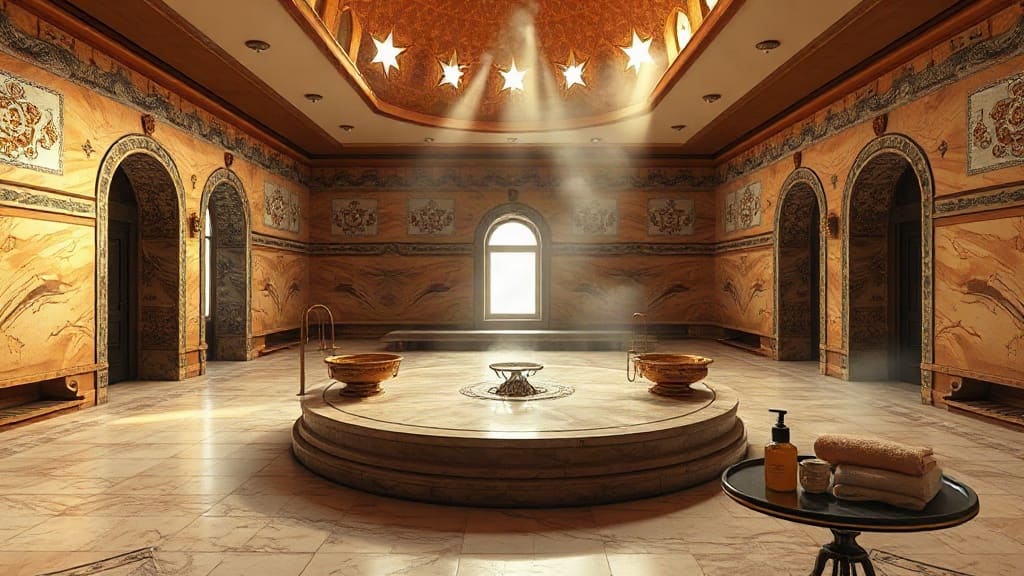
Imagine stepping into a warm, marble-clad room filled with soft steam, the sound of water trickling, and a sense of calm washing over you. This is the essence of a Turkish bath, a centuries-old tradition that offers more than just cleanliness. It is a ritual of relaxation, social connection, and holistic well-being. Whether you are a seasoned spa-goer or curious about new cultural experiences, understanding the Turkish bath can transform your approach to self-care.
In this comprehensive guide, we will explore the rich history of the Turkish bath, its numerous health benefits, what to expect during a visit, and how to locate an authentic Turkish bath near me. By the end, you will be ready to immerse yourself in this timeless practice.
The Rich History of Turkish Baths
The Turkish bath, known as a hamam in Turkish, has roots that stretch back to ancient civilizations. Its origins can be traced to the Roman thermae and Byzantine bathing traditions, which were later adopted and refined by the Ottoman Empire. The Ottomans elevated bathing to an art form, integrating it into daily life and religious practice, as cleanliness holds significant importance in Islam.
During the Ottoman era, hamams became architectural masterpieces, often built near mosques and serving as social hubs. They were places where people gathered not only to bathe but also to celebrate births, weddings, and other milestones. The hamam was a space for both men and women, though they typically bathed at separate times or in separate sections. This tradition continues today, with many modern hamams preserving the same sense of community and ritual.
Over time, the Turkish bath spread across the Middle East, North Africa, and Europe, influencing bathing cultures worldwide. In the 19th century, Western travelers brought the concept back to Europe and America, sparking a craze for Turkish baths as luxurious health retreats. Today, they remain a beloved spa experience, blending ancient customs with contemporary wellness trends.
What Exactly Is a Turkish Bath?
A Turkish bath is a type of public bathhouse associated with the culture of the Ottoman Empire. It typically involves a sequence of rooms with varying temperatures and humidity levels, designed to cleanse the body and relax the mind. Unlike a sauna, which uses dry heat, a Turkish bath features moist, warm air that opens pores and promotes sweating.
The traditional hamam consists of three main areas: the camekan (entrance hall or changing room), the soğukluk (cooling room), and the sıcaklık (hot room). The hot room is the heart of the experience, with a large heated marble platform called the göbek taşı (navel stone) where bathers lie to sweat and receive massages. Water is poured from ornate basins, and the air is thick with steam.
Modern Turkish baths may vary in layout and services, but the core ritual remains: heat, wash, exfoliate, and relax. Many also offer additional treatments like foam massages, aromatherapy, and skin care.
Health Benefits of Turkish Baths
The Turkish bath is not just a luxury; it offers a range of physical and mental health benefits. Here are some of the most significant advantages supported by tradition and modern understanding:
Deep Cleansing and Detoxification
The heat and humidity cause profuse sweating, which helps flush toxins from the body. The exfoliation process, often using a rough mitt called a kese, removes dead skin cells, leaving the skin soft and glowing. This deep cleanse can improve skin health and prevent clogged pores.
Improved Circulation
The warm environment dilates blood vessels, enhancing blood flow throughout the body. This can help lower blood pressure, deliver more oxygen to tissues, and promote cardiovascular health. The contrast between hot and cool rooms also stimulates circulation, acting as a gentle vascular workout.
Muscle Relaxation and Pain Relief
The heat relaxes tense muscles and soothes joint pain. For those with arthritis, fibromyalgia, or post-workout soreness, a Turkish bath can provide natural relief. The massage component further eases muscle knots and improves flexibility.
Respiratory Benefits
The warm, humid air can open airways and ease breathing. It is particularly beneficial for individuals with asthma, bronchitis, or sinus congestion. The steam helps loosen mucus and reduce inflammation in the respiratory tract.
Stress Reduction and Mental Well-being
The tranquil atmosphere, combined with the physical warmth, triggers the release of endorphins, the body's natural mood elevators. A Turkish bath session can reduce cortisol levels, promoting a sense of calm and improving sleep quality. The ritualistic nature of the experience encourages mindfulness and a break from daily stressors.
Skin Nourishment
Beyond exfoliation, the steam opens pores, allowing for better absorption of moisturizers and oils. Many hamams use natural products like olive oil soap and clay masks, which nourish the skin deeply. The result is a healthy, radiant complexion.
What to Expect During a Turkish Bath Experience
If you have never visited a Turkish bath, knowing what to expect can ease any apprehension. While specifics vary by location, the following is a typical sequence:
- Arrival and Changing: You will be given a peştamal (a thin cotton wrap) and slippers. Men usually wear only the wrap, while women may wear a swimsuit or remain in the wrap if comfortable. Lockers are provided for belongings.
- Warm-Up: You enter the warm room to acclimate your body. This helps prepare your pores and cardiovascular system for the hotter areas.
- Hot Room: In the main hot room, you lie on the heated marble platform. Relax and allow your body to sweat for 10-20 minutes. You can also pour warm water over yourself using the basins.
- Exfoliation and Wash: An attendant (called a tellak for men or natır for women) may perform a vigorous scrub with a kese mitt, removing layers of dead skin. This is followed by a soothing foam massage, where you are covered in fragrant soap bubbles.
- Rinse and Cool Down: After the treatments, you rinse with cool water and move to the cooling room. Here, you can relax, sip tea, and let your body temperature normalize.
- Optional Extras: Many hamams offer additional services like oil massages, hair washing, or face masks. These can be added for a more indulgent experience.
Remember to stay hydrated before and after your visit, as you will lose fluids through sweating. Most hamams provide water, but bringing your own is wise.
How to Find an Authentic Turkish Bath Near Me
Finding a genuine Turkish bath can enhance your experience significantly. Here are steps to locate a quality hamam in your area:
- Online Search: Start with a simple search for Turkish bath near me on Google or your preferred search engine. Pay attention to reviews and ratings on platforms like Yelp, TripAdvisor, or Google Maps.
- Check for Authenticity: Look for establishments that emphasize traditional elements: marble interiors, heated göbek taşı, kese exfoliation, and foam massage. Avoid places that simply have a sauna and call it a Turkish bath.
- Read Reviews: Customer reviews can reveal whether the experience is authentic and well-maintained. Look for comments about cleanliness, staff professionalism, and the quality of treatments.
- Ask for Recommendations: If you have friends or family who have visited a Turkish bath, ask for their suggestions. Personal recommendations are often the most reliable.
- Consider Cultural Centers: In many cities, Turkish cultural centers or mosques may have affiliated hamams or can recommend reputable ones. These often provide a more traditional experience.
- Check Services and Pricing: Authentic hamams offer a range of packages, from basic entry to full treatments. Compare prices and services to find one that fits your budget and expectations.
Once you have narrowed down options, call ahead to inquire about hours, booking requirements, and any gender-specific sessions. Some hamams have separate times or days for men and women, while others are mixed or private.
Tips for First-Time Visitors
To make the most of your Turkish bath experience, keep these practical tips in mind:
- Arrive Early: Give yourself time to change and acclimate without rushing.
- Bring Essentials: While most hamams provide towels and wraps, you may want to bring your own toiletries, a hairbrush, and a change of clothes. A plastic bag for wet items is useful.
- Stay Hydrated: Drink water before and after your session. Avoid heavy meals and alcohol beforehand.
- Communicate Preferences: If you have sensitive skin, allergies, or prefer a gentler scrub, inform the attendant. They can adjust the pressure and products.
- Respect the Etiquette: Keep noise to a minimum, avoid using phones in the bathing areas, and be mindful of others' privacy. In traditional settings, modesty is valued.
- Relax and Enjoy: The Turkish bath is as much about mental relaxation as physical cleansing. Let go of expectations and savor the experience.
Turkish Bath vs. Other Spa Treatments
If you are considering a Turkish bath, you might wonder how it compares to other spa experiences like saunas, steam rooms, or Moroccan hammams. Here is a brief breakdown:
- Sauna: Dry heat, typically 80-100°C, with low humidity. Focuses on sweating and cardiovascular benefits but lacks the exfoliation and massage elements of a Turkish bath.
- Steam Room: Moist heat, lower temperature than a sauna, high humidity. Similar respiratory benefits but usually no scrubbing or massage.
- Moroccan Hammam: Very similar to a Turkish bath, with a focus on black soap and rhassoul clay masks. The main difference lies in cultural traditions and specific products used.
- Russian Banya: Involves dry heat and venik (branched broom) massages. More intense and physically invigorating.
The Turkish bath stands out for its combination of heat, exfoliation, foam massage, and social ritual. It offers a comprehensive wellness experience that addresses both body and mind.
Incorporating Turkish Bath Rituals at Home
While nothing replaces the authentic hamam atmosphere, you can recreate some elements at home to enjoy the benefits regularly:
- Steam Shower: Turn your bathroom into a steam room by running hot water and closing the door. Add a few drops of eucalyptus oil for respiratory benefits.
- Kese Mitt: Purchase a traditional kese mitt and use it in the shower after soaking to exfoliate your skin. Follow with a rich moisturizer or olive oil soap.
- Foam Bath: Use a loofah or bath sponge to create thick foam with a natural soap. Apply it generously over your body for a luxurious feel.
- Aromatherapy: Use candles, incense, or essential oils like rose, jasmine, or sandalwood to create a calming ambiance.
- Relaxation Ritual: After your home bath, wrap yourself in a warm towel, sip herbal tea, and take a few minutes to meditate or simply unwind.
These practices can help you maintain the benefits between visits to a professional Turkish bath.
Conclusion: Embrace the Timeless Tradition
The Turkish bath is much more than a cleansing ritual; it is a journey through history, culture, and wellness. From its ancient origins to its modern-day adaptations, the hamam offers a unique blend of physical purification and mental tranquility. Whether you seek relief from stress, improved skin health, or a deeper cultural connection, the Turkish bath delivers on all fronts.
Finding a Turkish bath near me is easier than ever, with authentic hamams available in many cities worldwide. By understanding what to expect and following proper etiquette, you can fully immerse yourself in this enriching experience. So why not treat yourself to a session? Your body and mind will thank you.
Frequently Asked Questions
What should I wear in a Turkish bath?
Most Turkish baths provide a thin cotton wrap called a peştamal. Men typically wear only the wrap, while women may wear a swimsuit or the wrap. You will also be given slippers. It is best to check with the specific hamam for their dress code.
How often should I go to a Turkish bath?
There is no strict rule, but many people enjoy a Turkish bath once a week or once a month. Listen to your body; if you have certain health conditions, consult a doctor. Regular visits can help maintain skin health and reduce stress.
Can I go to a Turkish bath if I am pregnant?
Pregnant women should exercise caution with heat exposure. Most experts advise avoiding high temperatures, especially in the first trimester. Always consult your healthcare provider before visiting a Turkish bath while pregnant.
Are Turkish baths hygienic?
Reputable Turkish baths maintain high cleanliness standards. Marble surfaces are regularly cleaned, and water is constantly flowing. Attendants use fresh tools for each client. Reading reviews can help you choose a hygienic establishment.
What is the difference between a Turkish bath and a sauna?
A Turkish bath uses moist heat and includes exfoliation and massage, while a sauna uses dry heat and focuses mainly on sweating. Turkish baths are often more social and ritualistic, with a sequence of rooms and treatments.