
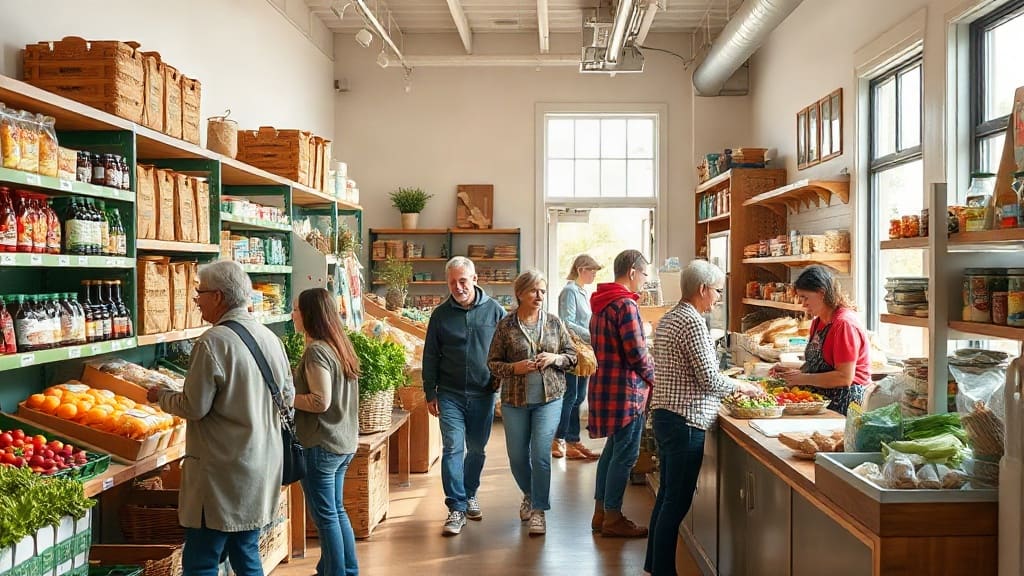
Walk into any social supermarket this month and you will notice a shift. The aisles are busier, the membership lists are longer, and the conversations at the till are different. People who never imagined needing a helping hand are now signing up in droves. One community hub in Dartford recently reported hundreds of new sign-ups in a matter of weeks. That is not a blip. It is a signal that the way we think about food affordability is changing fast.
Social supermarkets have been around for years, quietly bridging the gap between food banks and mainstream grocery stores. But they have never seen demand quite like this. The reason is simple: the cost of living keeps climbing, and wages are not keeping pace. For many households, the weekly shop has become a source of real anxiety. Against that backdrop, paying a small weekly fee for access to deeply discounted food feels less like charity and more like smart budgeting.
What exactly is a social supermarket?
Unlike a food bank, where you receive a pre-packed parcel, a social supermarket lets you choose your own items. Members typically pay a modest subscription, often around £4.50 a week, and in return they can shop for groceries at a fraction of retail price. The selection varies, but many offer unlimited fruit and vegetables, plus staples like bread, pasta, and tinned goods. Some even stock toiletries and household essentials.
The key difference is dignity. Instead of queuing for a handout, members push a trolley and make choices, just like in any other shop. That small act of autonomy matters. It preserves self-respect and reduces the stigma that too often comes with seeking help. As one member told me, "I don't feel like I'm begging. I'm just shopping where it makes sense for my budget."
Why the sudden surge?
The recent spike in sign-ups is not random. It tracks closely with rising energy bills, rent increases, and the stubbornly high price of food. Even households with two incomes are feeling the squeeze. When a weekly shop that used to cost £70 now tops £100, people start looking for alternatives. Social supermarkets offer immediate relief without the lengthy referral process that some food aid programs require.
There is also a growing awareness that these schemes are not just for the unemployed or those on benefits. Many social supermarkets now welcome anyone who feels the pinch, including pensioners, students, and low-paid workers. That inclusive approach has widened the net considerably. In Dartford, the local project has seen hundreds of new members from all walks of life, many of them first-time users of any kind of food support.
How the model works in practice
The mechanics are straightforward. You register as a member, often with proof of address or a simple referral from a community worker. Then you pay your weekly fee and shop during designated hours. The fee is not just a token; it helps cover operating costs and keeps the model sustainable. It also reinforces the idea that members are customers, not recipients.
Suppliers play a crucial role. Surplus stock from supermarkets, wholesalers, and local farms is diverted to social supermarkets instead of going to waste. This reduces food waste while providing affordable options. It is a rare win-win. The food is still well within its use-by date, but it might be surplus to requirements or have minor packaging flaws. Members get quality products at a steep discount, and suppliers avoid disposal costs.
What members actually save
The savings can be significant. For a family of four, the weekly fruit and vegetable allowance alone could be worth £15 to £20 at retail prices. Add in bread, dairy, and pantry staples, and the value of a £4.50 membership easily exceeds £30. Over a month, that is more than £100 back in the household budget. For someone on a tight income, that is the difference between skipping meals and eating well.
But the benefits go beyond money. Many social supermarkets run cooking workshops, budgeting advice sessions, and community meals. Members report feeling less isolated and more connected to their neighbours. The social aspect is not an afterthought; it is part of the design. When you shop alongside people who understand your situation, the shame factor drops away.
Challenges and sustainability
Despite the surge in demand, social supermarkets face real challenges. Supply chains can be unpredictable, especially when supermarket surplus dips. Storage space is often limited, so fresh produce must move quickly. Volunteers are the backbone of many operations, and burnout is a constant risk. The weekly membership fee helps, but it rarely covers all costs. Many projects rely on grants and donations to keep the lights on.
There is also the question of scale. Can social supermarkets expand fast enough to meet demand without losing their community feel? Some are opening satellite sites or partnering with existing community centres. Others are experimenting with delivery services for members who cannot travel. The most successful models stay flexible and listen closely to what members actually need.
A shift in public perception
Perhaps the most striking change is how social supermarkets are viewed. They were once seen as a niche alternative for those in crisis. Now they are increasingly recognised as a sensible, dignified option for anyone watching their budget. The stigma is fading, replaced by a pragmatic acceptance that food costs are a shared problem. When a project reports hundreds of sign-ups in a short period, it is no longer a headline about poverty; it is a headline about smart shopping.
That shift matters because it encourages more people to seek help early, before they reach breaking point. It also puts pressure on policymakers to support these community-led solutions rather than relying solely on traditional welfare systems. The evidence from Dartford and elsewhere suggests that a small, well-run social supermarket can have an outsized impact on local wellbeing.
What to consider before joining
If you are thinking about signing up, do a little homework first. Check the membership criteria, the weekly fee, and the opening hours. Ask about the typical range of products and whether you need to bring your own bags. Some projects limit membership to a certain postcode or require a referral from a GP, school, or housing officer. Others are open to all. Knowing the details upfront saves time and avoids disappointment.
Also think about what you actually need. If you have limited storage or cooking facilities, a large weekly fruit and vegetable allowance might go to waste. Many social supermarkets allow you to choose smaller quantities or share with a neighbour. The best approach is to visit once as a guest, if possible, and see how the system works in practice.
The bigger picture
The rise of social supermarkets tells us something important about modern Britain. Food insecurity is no longer confined to the margins. It has moved into the mainstream, affecting people who work full-time, own their homes, and never expected to need help. The response from communities has been remarkable. Volunteers, local businesses, and charities are stepping up to create alternatives that respect people's dignity while addressing a very real need.
This is not a short-term fix. Even if inflation cools, the underlying pressures on household budgets are unlikely to disappear overnight. Social supermarkets are here to stay, and their growth is a sign of resilience, not failure. They show that when the system fails to provide affordable food, communities can build their own solutions. And right now, those solutions are more needed than ever.
Frequently asked questions
Who can join a social supermarket?
Eligibility varies by location. Some require a referral from a community organisation, while others are open to anyone who lives in the area and pays the weekly fee. It is best to contact your local project directly to ask about their specific criteria.
How much does it cost to be a member?
Most social supermarkets charge a small weekly fee, often around £4.50. This fee helps cover running costs and is separate from any additional charges for specific items. The exact amount can differ, so check with the project you are interested in.
What kind of food can I expect to find?
The selection typically includes fresh fruit and vegetables, bread, dairy products, tinned goods, and dry staples like rice and pasta. Some also stock frozen items, toiletries, and household essentials. Availability depends on donations and surplus stock from suppliers.
Is a social supermarket the same as a food bank?
No. Food banks usually provide emergency parcels without charge, while social supermarkets operate more like a shop. Members pay a weekly fee and choose their own items. The experience is designed to feel like normal shopping, with greater choice and less stigma.
Why are sign-ups increasing so quickly?
The main driver is the rising cost of living. Food prices, energy bills, and rent have all increased, putting pressure on household budgets. Social supermarkets offer a practical way to reduce grocery spending without sacrificing quality or dignity, which appeals to a growing number of people.