
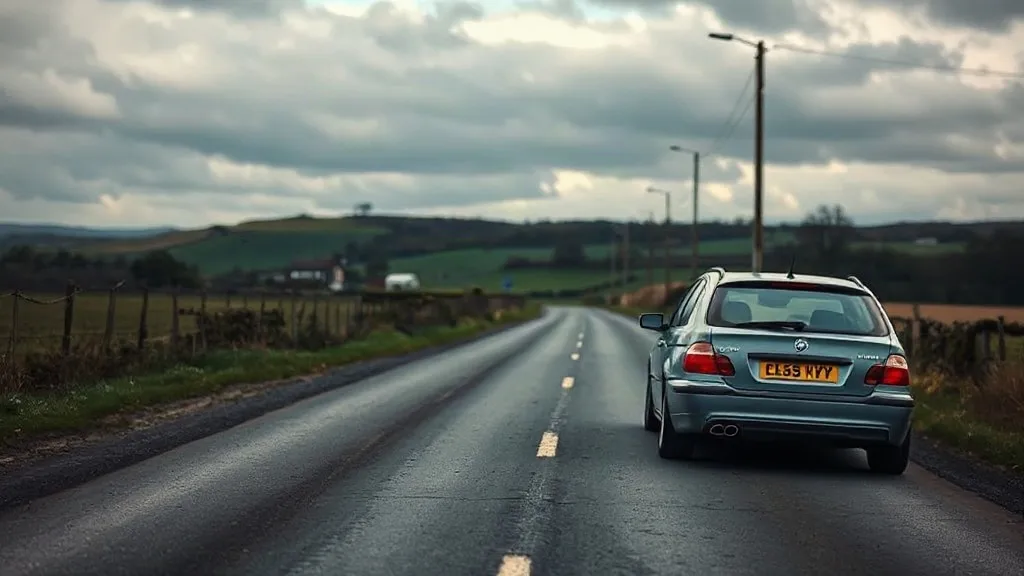
In a case that has reignited conversations about the perils of distracted driving, a 36-year-old mother of two has been sentenced to three years in prison for causing a fatal collision while using Snapchat behind the wheel. The crash, which occurred in November 2024, claimed the life of a 58-year-old farmer and has left a community in mourning. The sentencing, handed down recently, serves as a stark reminder of how a momentary lapse in attention can have irreversible consequences.
The Fatal Crash: A Community Shaken
On a seemingly ordinary day in November 2024, Ami Dronsfield, a resident of Glanton, Northumberland, was driving to a hair appointment in the nearby town of Alnwick. Her route took her along rural roads that wind through the picturesque countryside. But on this day, tragedy struck. According to court proceedings, Dronsfield was distracted by Snapchat, a popular social media app known for its disappearing messages and filters. In that split second of inattention, her vehicle collided with Michael Armstrong, a 58-year-old farmer.
The impact was devastating. Armstrong, who was well-known in the local farming community, succumbed to his injuries. The news of his death sent shockwaves through the tight-knit rural area, where he was respected and admired. For Dronsfield, the consequences were immediate and life-altering. She was arrested and later charged with causing death by dangerous driving.
The Legal Proceedings: Justice Served
The case came to trial at Newcastle Crown Court, where the prosecution argued that Dronsfield's use of Snapchat at the time of the crash constituted dangerous driving. The court heard how she had been actively using the app, which requires visual, manual, and cognitive attention, in the moments leading up to the collision. Experts testified that even a brief glance at a phone screen can significantly impair a driver's reaction time and situational awareness.
Dronsfield pleaded guilty to the charges, expressing deep remorse for her actions. Her defense team highlighted her otherwise clean driving record and her role as a devoted mother. However, the judge emphasized that the seriousness of the offense warranted a custodial sentence. In the end, Dronsfield was sentenced to three years in prison and banned from driving for five years upon release.
The sentencing has been met with a mix of relief and sorrow. Armstrong's family, while grateful for the outcome, stressed that no punishment can bring back their loved one. In a victim impact statement, they described the void left by his death and urged drivers to think twice before reaching for their phones.
The Scourge of Distracted Driving
This tragic incident is far from isolated. Distracted driving has become a leading cause of road accidents worldwide, with mobile phone use being a primary culprit. According to the National Highway Traffic Safety Administration (NHTSA), in 2022 alone, over 3,000 people died in crashes involving distracted drivers in the United States. In the UK, the Department for Transport reports that distraction-related accidents account for a significant proportion of road fatalities.
Snapchat, in particular, has been criticized for features that encourage engagement while driving. The app's speed filter, which allows users to record their speed, has been linked to reckless driving incidents. Although Snapchat removed the speed filter in 2021, the app's core functionality still demands visual and manual interaction, making it inherently dangerous to use while driving.
Psychologists explain that the human brain is not wired for multitasking, especially when operating a vehicle. When a driver glances at a phone, even for a few seconds, they enter a state of "inattention blindness," where they fail to see up to 50% of their surroundings. At highway speeds, a vehicle can travel the length of a football field in the time it takes to read a single text message.
Legal Repercussions and Prevention
In the UK, causing death by dangerous driving carries a maximum penalty of life imprisonment. The three-year sentence handed to Dronsfield reflects the severity of the offense, but it also raises questions about whether such punishments are sufficient deterrents. Some road safety advocates argue that stricter penalties and more widespread education campaigns are needed to curb the behavior.
Technology companies are also under pressure to design apps that minimize distraction. Features like "Do Not Disturb While Driving" on smartphones can help, but they require user activation. Law enforcement agencies continue to run campaigns like "Fatal Four," which targets speeding, drink-driving, not wearing a seatbelt, and using a phone at the wheel.
For ordinary drivers, the message is clear: no message, notification, or snap is worth a human life. Pull over if you must use your phone, or better yet, put it out of reach. As this case demonstrates, the consequences of a momentary distraction can last a lifetime.
Frequently Asked Questions
What was Ami Dronsfield's sentence for causing the fatal crash?
Ami Dronsfield was sentenced to three years in prison and disqualified from driving for five years after her release. She pleaded guilty to causing death by dangerous driving.
How did Snapchat contribute to the accident?
Dronsfield was using Snapchat at the time of the collision, which diverted her visual and cognitive attention from the road. Even a brief distraction can lead to catastrophic outcomes.
What are the penalties for causing death by dangerous driving in the UK?
The maximum penalty is life imprisonment. Sentences vary based on the circumstances, but typically involve custodial time and driving bans.
How can drivers avoid distractions like Snapchat?
Drivers should activate "Do Not Disturb" modes, keep phones out of reach, and pull over safely if they need to use their device. Education and awareness are also key.
What is being done to prevent distracted driving?
Law enforcement runs campaigns, and tech companies are developing features to reduce distraction. However, personal responsibility remains the most effective prevention.