
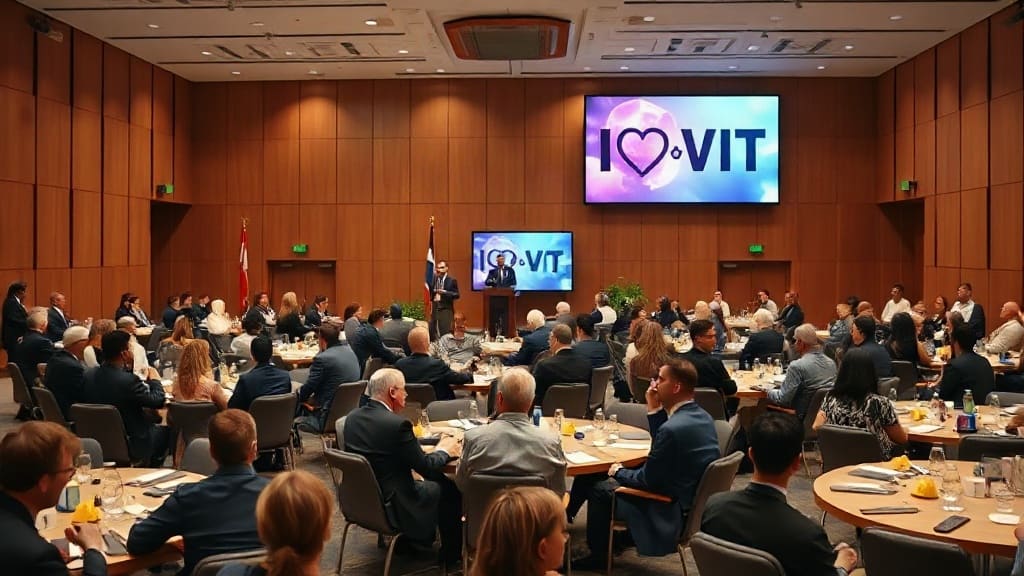
The MAHA Summit, once a gathering of passionate grassroots advocates, has transformed into a high-profile event where federal officials and health care executives mingle. This shift has left some longtime supporters wondering: has MAHA sold out? The summit, held recently, showcased a stark contrast between its original mission and its current incarnation. As the lines between activism and industry blur, the implications for health care policy and public trust are profound.
The Evolution of MAHA: From Grassroots to Gala
MAHA, which stands for Making America Healthy Again, began as a decentralized movement fueled by citizens concerned about chronic disease, environmental toxins, and food system reform. Its early gatherings were characterized by community-led discussions, potlucks, and a strong anti-establishment vibe. However, the latest summit, with its sleek production and corporate sponsors, felt more like a trade conference than a people's rally. The transformation from grassroots to corporate has been gradual but unmistakable.
Critics argue that the presence of federal officials and executives from major health care companies signals a co-optation of the movement. They worry that the original demands for systemic change are being watered down to fit within the existing power structure. Supporters counter that engaging with decision-makers is necessary to enact real change. This tension between purity and pragmatism is not new, but it has reached a boiling point.
Who Was in the Room and Why It Matters
The summit attracted a who's who of health care and policy. Federal health agency representatives mingled with CEOs of hospital chains, pharmaceutical companies, and insurance giants. While the official agenda focused on topics like preventive care, nutrition, and health equity, the informal networking told a different story. For many attendees, the opportunity to rub elbows with influential figures was as important as the sessions themselves.
This mix of stakeholders raises questions about whose interests are truly being served. When corporate sponsors underwrite the event, do they expect favorable policies in return? And when federal officials attend, are they genuinely listening to grassroots concerns or simply checking a box? These are not hypothetical worries; they reflect a broader unease about the influence of money in health care reform.
The Corporate Sponsorship Dilemma
Corporate sponsorships are a double-edged sword. On one hand, they provide the financial resources to host large-scale events, amplify messaging, and reach a wider audience. On the other hand, they can create conflicts of interest and undermine credibility. For a movement that prides itself on independence, accepting big checks from industry players is a risky move. It opens the door to accusations of hypocrisy and can alienate the very people the movement aims to empower.
Some sponsors, like wellness brands and organic food companies, might seem like natural allies. But others, including pharmaceutical firms and hospital conglomerates, have track records that clash with MAHA's critique of the medical-industrial complex. The optics alone are problematic, even if no explicit quid pro quo exists.
Federal Officials: Allies or Interlopers?
Having federal officials at the summit can be seen as a validation of MAHA's growing influence. It suggests that policymakers are taking the movement seriously. However, it also risks creating a dependency on the very institutions that MAHA once opposed. When officials speak at such events, they often offer platitudes rather than concrete commitments. For activists, this can feel like being co-opted without any real gains.
Moreover, the presence of officials can shift the focus from grassroots mobilization to insider deal-making. The energy that once came from community organizing is replaced by panel discussions and policy briefs. While these have their place, they are no substitute for the power of people taking to the streets or demanding change at the local level.
What This Means for the Health Care Landscape
The corporatization of MAHA is not happening in a vacuum. It reflects broader trends in health care, where social movements are increasingly professionalized and absorbed into the mainstream. This can lead to tangible wins, such as funding for research or changes in clinical guidelines. But it can also dilute the radical edge that made these movements effective in the first place.
For patients and consumers, the stakes are high. If MAHA becomes just another industry-backed initiative, its ability to challenge the status quo diminishes. The movement's original focus on prevention, nutrition, and environmental health could be overshadowed by profit-driven agendas. On the other hand, if it manages to maintain its independence while engaging with power, it could achieve meaningful reforms.
The key will be transparency and accountability. MAHA leaders must be clear about who funds them and what influence those funders have. They must also ensure that grassroots voices are not drowned out by corporate interests. Without these safeguards, the movement risks becoming a shell of its former self.
Lessons from Other Movements
History offers cautionary tales. The environmental movement, for instance, has seen its share of co-optation, with major polluters sponsoring green initiatives. Similarly, the tobacco industry once funded anti-smoking research to sow doubt. These examples show how easily a movement's message can be twisted when money enters the picture.
MAHA would do well to learn from these mistakes. It can accept support without selling its soul, but that requires vigilance and a clear-eyed understanding of power dynamics. It also requires a commitment to keeping the grassroots at the center, not as a backdrop for photo ops.
Frequently Asked Questions
What is the MAHA Summit?
The MAHA Summit is an annual gathering for the Making America Healthy Again movement, bringing together advocates, health care professionals, and policymakers to discuss health-related issues.
Why are some supporters concerned about the MAHA Summit?
Some supporters worry that the increasing involvement of corporate sponsors and federal officials signals a shift away from the movement's grassroots origins, potentially diluting its message and independence.
Who attends the MAHA Summit?
Attendees include grassroots activists, health care executives, federal health officials, and representatives from various health-related organizations and companies.
How does corporate sponsorship affect the MAHA movement?
Corporate sponsorship can provide funding and resources but may also create conflicts of interest and undermine the movement's credibility if not managed transparently.
What can MAHA do to stay true to its roots?
MAHA can prioritize transparency in funding, ensure grassroots voices are heard, and maintain a critical stance toward industry influence while engaging with policymakers.