
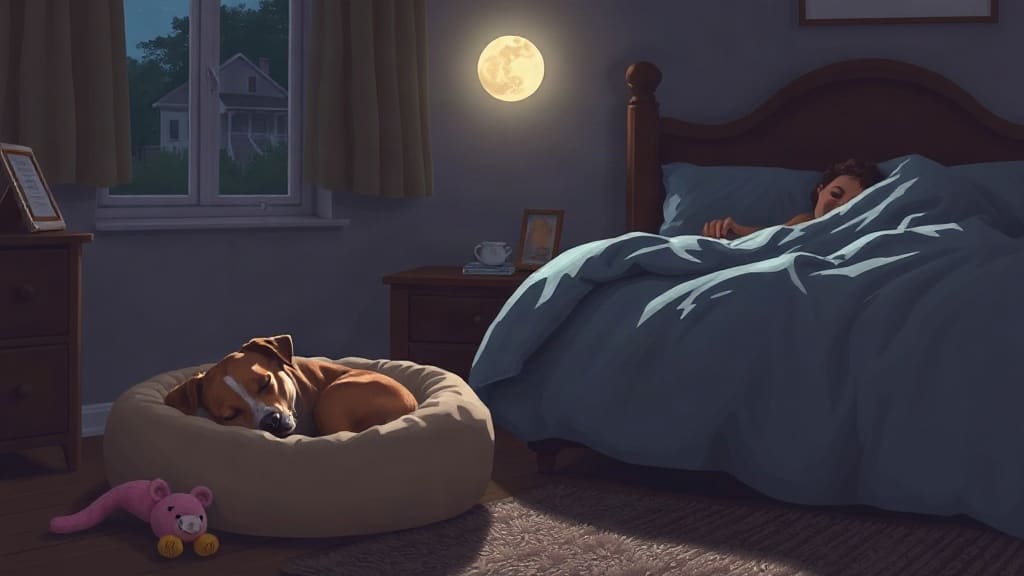
It starts innocently enough: a puppy whimpers at the foot of the bed, you lift them up, and suddenly you've got a furry bed hog who kicks you in the ribs at 3 a.m. While sleeping with your dog can feel comforting and strengthen your bond, it often comes at a cost. You wake up groggy, your partner complains about the lack of space, and intimacy suffers. The good news? You can reclaim your bed without breaking your dog's heart or yours. This article explores why co-sleeping becomes problematic, how to recognize when it's time for a change, and step-by-step strategies to help your dog sleep independently, all while keeping your relationship strong.
Why Co-Sleeping With Your Dog Can Become a Problem
Sharing your bed with a dog isn't inherently bad. Many pet owners cherish the warmth and closeness. But as time goes on, several issues can arise. Dogs can be restless sleepers, shifting positions, snoring, or even chasing rabbits in their dreams. Their presence can disrupt your sleep cycles, leading to daytime fatigue and irritability. For couples, a dog in bed can become a barrier to intimacy and a source of tension. Additionally, dogs may develop separation anxiety if they become overly dependent on sleeping next to you. Recognizing these signs is the first step toward making a change.
Signs It's Time to Make a Change
- You frequently wake up with aches and pains from sleeping in awkward positions.
- Your partner feels neglected or you argue about the dog's presence in bed.
- Your dog growls or snaps when you try to move them.
- You experience daytime sleepiness that affects your work or mood.
- Your dog becomes anxious when you leave the room, even briefly.
Preparing for the Transition
Before you abruptly banish your dog from the bed, take time to set the stage. A sudden change can confuse and stress your dog, potentially harming your bond. Instead, plan a gradual transition that respects your dog's emotional needs. Start by setting up a comfortable alternative sleeping spot, such as a dog bed or crate, in your bedroom. This allows your dog to still be near you without being on the bed. Gradually move the bed farther away over time if you prefer. Ensure the new spot is inviting: add a favorite blanket, a worn t-shirt with your scent, and perhaps a treat to create positive associations.
Choosing the Right Bed for Your Dog
The type of bed matters. Orthopedic beds support joints, especially for older dogs. Covered beds or crates provide a den-like security. Consider your dog's size and sleeping style. Place the bed in a spot that's free from drafts and away from heavy foot traffic. If your dog is used to sleeping on your bed, they may initially protest. Be patient and consistent.
Step-by-Step Plan to Move Your Dog Out of Bed
Transitioning your dog off the bed requires patience and consistency. Here's a gradual approach that minimizes stress for both of you.
- Start with a trial separation. For the first few nights, place your dog's bed right next to yours. Reward them for staying there with praise and treats. If they jump on the bed, gently guide them back to their bed without scolding.
- Gradually increase distance. Over a week or two, move the bed a few inches away each night. If your dog whines, ignore it (unless they need to potty) and reward calm behavior.
- Introduce a cue. Use a command like "go to bed" and reward your dog when they comply. Consistency is key; everyone in the household should use the same cue.
- Create a bedtime routine. Dogs thrive on routine. A predictable sequence (last potty break, a calm treat, lights out) signals that it's time to sleep in their own spot.
- Be prepared for setbacks. Illness, travel, or stress can cause regression. If your dog ends up back on the bed occasionally, don't despair; gently restart the process.
Addressing Whining and Protest
Your dog may whine, bark, or scratch at the door. This is normal. Resist the urge to give in, as that rewards the behavior. Instead, wait for a moment of quiet, then praise and reward. If the whining is extreme, consult a vet or behaviorist to rule out anxiety issues.
Preserving Your Bond During the Transition
Many owners worry that kicking the dog out of bed will damage their relationship. In reality, it's often the opposite: better sleep makes you a more patient, affectionate owner. To maintain closeness, increase daytime bonding activities. Longer walks, play sessions, and cuddle time on the couch can fill the gap. Your dog will still feel loved and secure.
Alternative Ways to Stay Close
- Allow your dog on the bed for short cuddle sessions during the day, but not for sleeping.
- Establish a special "morning cuddle" ritual after your dog has slept in their own bed.
- Use a baby gate or keep the bedroom door open so your dog can see you but not jump up.
When to Seek Professional Help
If your dog shows signs of severe separation anxiety, such as destructive behavior, excessive barking, or house soiling when left alone, consult a veterinarian or certified animal behaviorist. They can help develop a tailored plan and may recommend calming aids or training techniques. In some cases, medication may be necessary to ease the transition. Don't hesitate to seek help; it's a sign of responsible pet ownership.
Frequently Asked Questions
Will my dog feel rejected if I stop letting them sleep in my bed?
Dogs are adaptable. With a gradual transition and plenty of daytime affection, they won't feel rejected. In fact, they may enjoy having their own cozy space. Consistency and positive reinforcement are key.
How long does it take to transition a dog out of the bed?
It varies. Some dogs adjust within a week; others may take a month or more. Patience is crucial. Stick to the plan and avoid giving in to whining, as that prolongs the process.
Can I still let my dog on the bed occasionally?
Yes, but be clear about boundaries. If you allow occasional cuddles, do so at set times (e.g., before dinner) and not at bedtime. Consistency helps your dog understand when bed access is allowed.
What if my dog cries all night?
Start by ruling out medical issues or anxiety with your vet. If it's behavioral, ignore the crying (unless it's distress) and reward quiet moments. If it persists, consult a behaviorist for a customized approach.
Is it cruel to make my dog sleep on the floor?
Not at all. Providing a comfortable bed and a safe environment is far from cruel. Dogs are den animals and often appreciate having their own space. As long as they receive love and attention during the day, they'll be fine.