
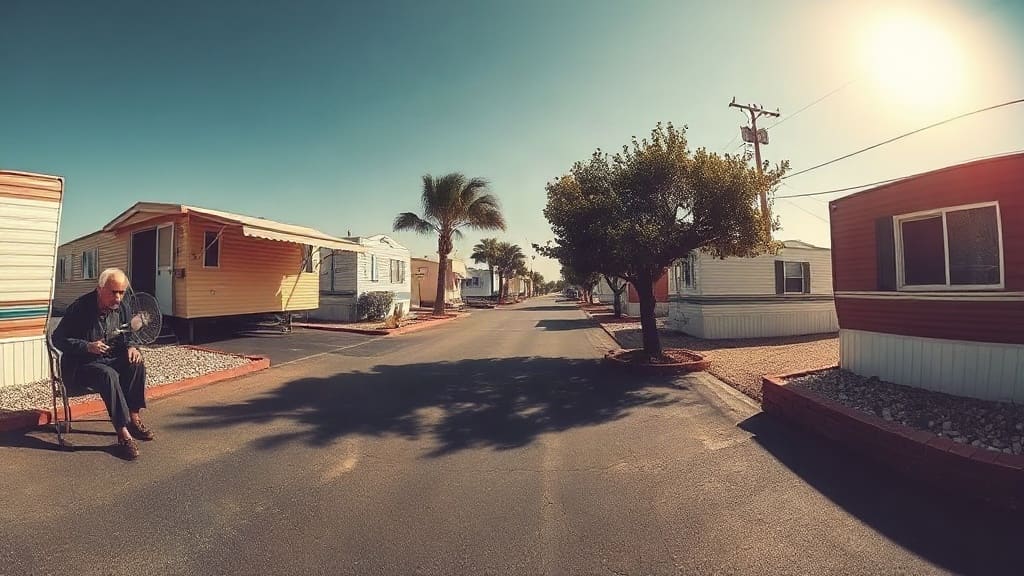
On a sweltering July afternoon in Phoenix, Arizona, paramedics rushed to a mobile home park after a neighbor called 911. Inside a cramped trailer, they found an elderly woman unconscious, her skin hot to the touch. Her body temperature had reached 106 degrees Fahrenheit. She died later that day at the hospital. Her name was not released, but her story is not unique. Across the United States, heat is killing people in their homes, and those living in mobile homes and manufactured housing are dying at rates far higher than the general population.
This is a silent crisis, one that rarely makes headlines until the death toll climbs. But behind the statistics are real people, often elderly, low-income, or living with chronic health conditions, trapped in structures that offer little protection against rising temperatures. As climate change drives more frequent and intense heat waves, the vulnerability of mobile home residents is becoming impossible to ignore.
The Hidden Danger of Mobile Homes in Extreme Heat
Mobile homes, also known as manufactured homes, are not built like traditional houses. They are constructed with lighter materials, thinner walls, and less insulation. Many older models lack central air conditioning, and even those with window units often cannot keep up with triple-digit temperatures. The result is that indoor temperatures can soar well above outdoor levels, turning a home into an oven.
According to researchers at Arizona State University, mobile homes are among the hottest housing types during heat waves. In a 2023 study, they found that indoor temperatures in some mobile homes exceeded 100 degrees Fahrenheit even when outdoor temperatures were in the low 90s. At night, when the body needs to cool down, these structures retain heat, preventing recovery and increasing the risk of heat stroke.
The problem is compounded by the fact that many mobile home residents are on fixed incomes. They may avoid running air conditioning to save money, or their units may be too old and inefficient to provide relief. Some parks have outdated electrical systems that cannot handle the load of multiple air conditioners running simultaneously, leading to power outages during the worst possible moments.
Who Is Most at Risk?
The people dying in mobile homes from heat are not a random cross-section of society. They are disproportionately elderly, disabled, and living alone. Many have underlying health conditions such as heart disease, diabetes, or respiratory illnesses that make them more susceptible to heat. Social isolation plays a role too; without family or friends checking on them, they may not receive help until it is too late.
In Maricopa County, Arizona, which includes Phoenix, heat-related deaths have risen sharply in recent years. In 2023, the county reported over 600 heat-associated deaths, a 50% increase from the previous year. A significant portion of those deaths occurred indoors, and a large number of the victims lived in mobile homes. Similar patterns have been observed in other hot regions, including Texas, California, and Florida.
One tragic case from 2022 involved a 72-year-old man in Tucson who was found dead in his trailer. His air conditioner had broken days earlier, and he had no money to repair it. Neighbors said he had been complaining about the heat but refused to leave his home. He was found with a body temperature of 108 degrees.
Why Are Mobile Homes So Vulnerable?
There are several reasons why mobile homes are particularly dangerous in extreme heat. First, they are often placed in parks with little shade. Trees are scarce, and asphalt or gravel surfaces absorb and radiate heat. Second, the construction standards for manufactured homes have historically been lower than for site-built homes. Although the U.S. Department of Housing and Urban Development (HUD) updated its energy efficiency standards in 2022, millions of older units remain in use and are not required to meet the new codes.
Third, many mobile home residents rent their lots but own their homes. This creates a split incentive: park owners have little reason to invest in shade structures, cooling centers, or infrastructure upgrades, while homeowners may lack the resources to retrofit their units. In addition, some parks have rules that prohibit residents from installing permanent shade structures or certain types of cooling equipment, further limiting their options.
Finally, there is a lack of awareness and data. Heat-related deaths are often undercounted because they are attributed to other causes, such as heart attacks or respiratory failure. Without accurate data, policymakers may not realize the scale of the problem or target resources effectively.
What Can Be Done?
Addressing heat deaths in mobile homes requires a multi-pronged approach. First, there is a need for better data collection. States and counties should track heat-related deaths more systematically, including the type of housing where victims lived. This would help identify hotspots and allocate resources.
Second, financial assistance programs should be expanded. Many low-income households qualify for the Low Income Home Energy Assistance Program (LIHEAP), but funding is often insufficient and cooling assistance is not available in all states. Increasing LIHEAP funding and ensuring that it covers air conditioning repairs and replacements would save lives.
Third, mobile home parks should be required to provide cooling shelters or shaded areas for residents. Some communities have opened cooling centers, but transportation can be a barrier for elderly or disabled residents. On-site options would be more effective.
Fourth, building codes for manufactured homes need to be strengthened and enforced. HUD's new energy standards are a step in the right direction, but they apply only to new homes. Retrofitting existing units with better insulation, reflective roofing, and efficient cooling systems should be a priority.
Fifth, community outreach is essential. Programs that check on vulnerable residents during heat waves, provide fans or portable air conditioners, and educate people about the signs of heat illness can make a difference. In some cities, volunteer networks have been organized to do this, but they need more support.
A Call to Action
The woman whose body temperature reached 106 degrees did not have to die. Her death, like so many others, was preventable. But preventing future deaths will require a concerted effort from government agencies, housing authorities, public health officials, and communities. It means recognizing that heat is not just an outdoor hazard; it is an indoor killer that preys on the most vulnerable. It means investing in housing that can withstand the heat, not just for the wealthy but for everyone. And it means caring enough to check on our neighbors when the temperature rises.
As climate change continues to push temperatures to new extremes, the question is not whether more people will die in mobile homes, but how many. The answer depends on what we do now.
Frequently Asked Questions
Why are mobile homes more dangerous in heat waves?
Mobile homes are typically built with lighter materials, less insulation, and often lack central air conditioning. They also tend to be located in parks with little shade, which causes them to absorb and retain heat. This combination can make indoor temperatures much higher than outdoor temperatures, increasing the risk of heat-related illness and death.
Who is most at risk of dying from heat in mobile homes?
Elderly individuals, people with chronic health conditions, those living alone, and low-income residents are at the highest risk. They may be unable to afford air conditioning, may have mobility issues that prevent them from seeking cooler locations, or may not have anyone to check on them during extreme heat.
What are the symptoms of heat stroke?
Heat stroke is a medical emergency. Symptoms include a body temperature of 103 degrees Fahrenheit or higher, hot and dry skin, rapid pulse, headache, dizziness, nausea, confusion, and loss of consciousness. If you suspect heat stroke, call 911 immediately and try to cool the person down while waiting for help.
Are there programs to help mobile home residents with cooling costs?
Yes, the Low Income Home Energy Assistance Program (LIHEAP) provides financial assistance for heating and cooling costs to eligible low-income households. However, funding is limited and not all states offer cooling assistance. Some local charities and nonprofits also provide fans or air conditioners to those in need.
How can I help protect someone living in a mobile home during a heat wave?
Check on elderly or vulnerable neighbors regularly during hot weather. Offer to take them to a cooling center or a public place with air conditioning. Help them install window coverings to block sunlight, and ensure their air conditioning unit is working properly. If you suspect they are suffering from heat illness, call for medical help immediately.