
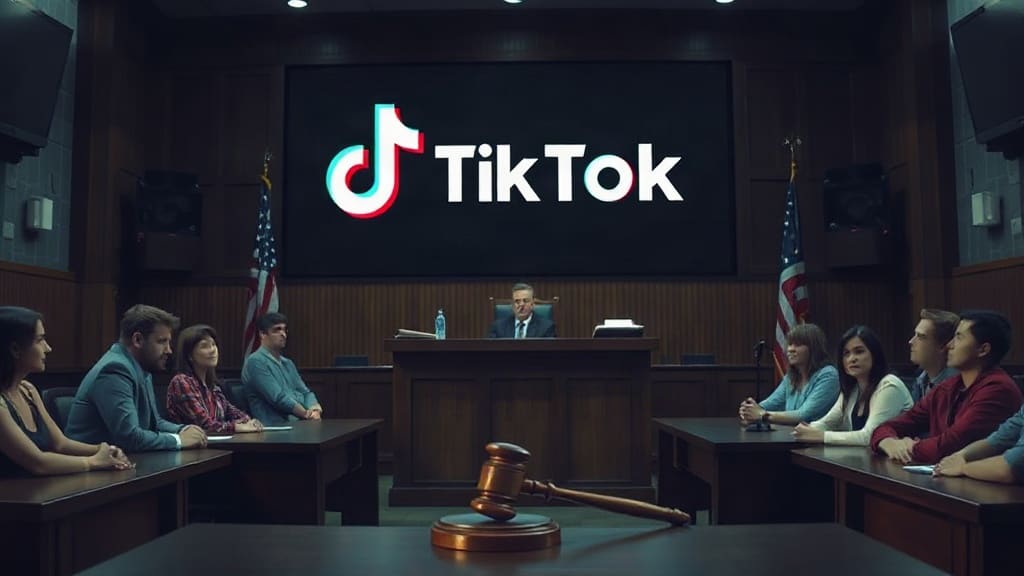
In a courtroom in California, a legal battle is unfolding that could reshape how social media platforms operate. The first US trial against TikTok, owned by ByteDance, is set to determine whether the platform's design and algorithms fueled a teen mental health crisis. This case, brought by a coalition of parents and advocacy groups, marks a pivotal moment in the ongoing debate over social media's impact on young people. As the trial begins, it raises urgent questions about accountability, free speech, and the future of digital platforms.
The Case at a Glance
The lawsuit, filed in the US District Court for the Northern District of California, alleges that TikTok deliberately designed its app to be addictive, targeting minors with endless scrolls, personalized feeds, and features like filters and challenges that exacerbate body image issues and anxiety. The plaintiffs argue that these tactics contributed to a surge in depression, self-harm, and even suicide among teenagers. TikTok denies these claims, stating that it has invested heavily in safety features and that the allegations are based on correlation, not causation.
This trial is part of a broader wave of litigation against social media giants, but it is the first to go to trial against TikTok specifically. Similar cases against Meta, Google, and Snap have been filed, but this one is seen as a test case that could set a precedent for how courts handle claims linking platform design to mental health harms. The outcome could lead to significant changes in how TikTok operates, including potential algorithmic transparency and age verification measures.
Why This Trial Matters
The implications of this trial extend far beyond TikTok. At its core, it questions whether Section 230 of the Communications Decency Act, which shields platforms from liability for user-generated content, also protects them from liability for their own design choices. If the court finds that TikTok's algorithms are a product feature rather than third-party content, it could open the door to more lawsuits and regulation. This case could also influence pending legislation, such as the Kids Online Safety Act, which aims to impose a duty of care on platforms.
Moreover, the trial will shine a light on internal documents and research that TikTok has kept under wraps. Already, leaked documents have revealed that the company knew about the negative effects on teens but downplayed them. The plaintiffs will likely use this evidence to argue that TikTok prioritized engagement over safety. For parents and educators, the trial offers a rare glimpse into how these platforms operate and could empower them to demand better safeguards.
The Science of Social Media and Teen Mental Health
The scientific community remains divided on the exact relationship between social media use and mental health. While some studies show a correlation between heavy use and increased rates of depression and anxiety, others suggest that the effects are small and that other factors, such as genetics and home environment, play a larger role. However, what is clear is that adolescents are particularly vulnerable because their brains are still developing and they are highly sensitive to social feedback. Features like infinite scroll and algorithmic recommendations can create a feedback loop that keeps teens engaged for hours, often at the expense of sleep, physical activity, and face-to-face interaction.
During the trial, expert witnesses will present research on how dopamine-driven feedback loops and social comparison affect teen well-being. The defense will likely counter that the platform is not inherently harmful and that many teens use it positively for creative expression and community. The judge or jury will have to weigh this evidence and decide whether TikTok's design choices crossed a legal line.
TikTok's Defense and the Road Ahead
TikTok has consistently argued that it is not responsible for the mental health of its users and that it provides tools for parents to limit screen time. The company has also pointed to its partnerships with mental health organizations and its efforts to remove harmful content. In a statement, a TikTok spokesperson said, "We care deeply about our community and have invested billions in safety measures. This lawsuit is an attempt to hold us accountable for the actions of a few, and we will vigorously defend our record."
Legal experts suggest that the trial could last several weeks, with a verdict expected by early next year. Regardless of the outcome, the case is likely to be appealed, possibly reaching the Supreme Court. In the meantime, other platforms are watching closely, as any ruling against TikTok could prompt them to reassess their own designs. For now, the trial serves as a stark reminder that the tech industry's era of self-regulation may be coming to an end.
What This Means for Parents and Teens
While the legal wrangling continues, parents and teens can take practical steps to mitigate potential harms. Setting boundaries around screen time, encouraging offline hobbies, and having open conversations about online experiences can make a difference. It's also important to recognize that not all social media use is negative; for many teens, it's a vital lifeline for connection and support. The key is balance and awareness.
Schools and communities can also play a role by integrating digital literacy into curricula and providing mental health resources. As the trial progresses, it may spark broader discussions about how to create a healthier digital environment for young people. Ultimately, the goal is not to demonize technology but to ensure it serves users rather than exploits them.
Frequently Asked Questions
What is the lawsuit against TikTok about?
The lawsuit alleges that TikTok's design and algorithms are addictive and have contributed to a teen mental health crisis, leading to depression, anxiety, and other harms. The plaintiffs seek damages and changes to the platform's practices.
Why is this trial considered a landmark case?
It is the first US trial against TikTok over mental health claims and could set a precedent for how courts treat platform design under Section 230. A ruling against TikTok could lead to more regulation and lawsuits against other social media companies.
How does TikTok respond to these allegations?
TikTok denies the claims, stating that it has robust safety features and that the allegations are based on correlation, not causation. The company emphasizes its investments in mental health resources and content moderation.
What can parents do to protect their teens?
Parents can set screen time limits, encourage offline activities, and maintain open communication about online experiences. Using parental controls and staying informed about platform features can also help.
Will this trial change how social media platforms operate?
If TikTok is found liable, it could force changes in algorithmic transparency, age verification, and design features. Other platforms may preemptively adjust their practices to avoid similar legal challenges.