
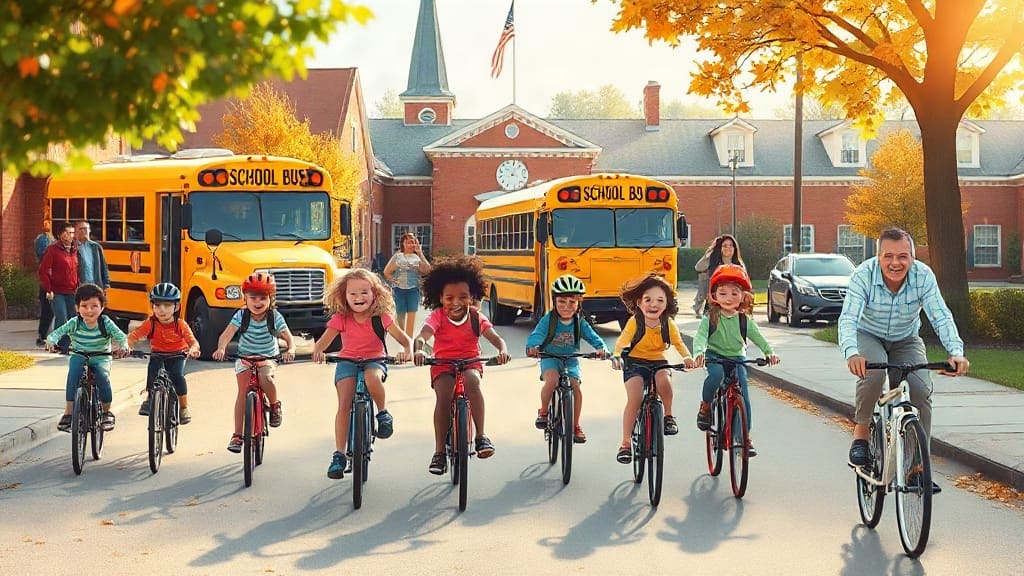
The first day of school is never just about new backpacks and sharpened pencils. It is a day of big feelings, loud bells, wobbly bike rides, and crowded bus stops. Across the country, students, parents, and teachers are navigating the start of a new academic year with a blend of excitement, anxiety, and hope. This year, some schools are finding creative ways to smooth the transition, from fifth graders mentoring kindergarteners to entire neighborhoods riding together in a bike bus.
Why the First Day Matters More Than We Think
For many children, the first day of school sets the tone for the entire year. It is a moment when routines are established, friendships begin to form, and a sense of belonging starts to take root. Educators often say that the first few weeks are critical for building classroom culture and emotional safety. When students feel welcomed and supported, they are more likely to engage academically and socially.
But the first day is not just about the kids. Parents experience their own wave of emotions, from pride to separation anxiety. Teachers, too, face the challenge of learning dozens of new names and personalities while trying to create a calm and inviting environment. The first day is a collective rite of passage, and its impact can ripple through the entire school year.
Creative Approaches to Ease the Transition
Some schools are thinking outside the box to make the first day less intimidating. In Los Angeles, fifth graders have taken on the role of mentors for incoming kindergarteners. These older students help the little ones find their classrooms, hang up their backpacks, and settle into their seats. The buddy system not only calms the younger children but also gives the fifth graders a sense of responsibility and leadership. It is a simple idea with powerful results.
In Oklahoma, a different kind of tradition is gaining traction: the bike bus. Instead of parents driving their kids to school, families gather at a designated starting point and ride together as a group, following a set route with adult supervision. The bike bus turns the morning commute into a social event, promoting physical activity and reducing traffic around the school. For many kids, it transforms the first day from a nerve-wracking solo journey into a fun group adventure.
The High School Experience: New Buildings, New Beginnings
For high school students, the first day often comes with a different set of challenges. In Oregon, some students are walking into brand-new buildings for the first time. A new school means unfamiliar hallways, different classroom layouts, and the excitement of modern facilities. But it also means leaving behind familiar landmarks and routines. School administrators have been working to make the transition as smooth as possible, offering orientation sessions and peer-led tours.
High school freshmen, in particular, face a major leap. They are moving from the top of middle school to the bottom of a larger, more complex social and academic environment. The first day can feel overwhelming, but it is also a chance to reinvent oneself and explore new interests. Clubs, sports teams, and elective classes all begin their recruitment efforts on day one, giving students immediate opportunities to get involved.
The Emotional Landscape: From Tears to Triumph
It is completely normal for children to cry on the first day of school, especially in the early grades. Separation anxiety is a real and developmentally appropriate response. Teachers and school counselors are trained to handle these moments with patience and empathy. They often use distraction techniques, comfort objects, or simply a warm smile to help a child feel safe. In many cases, the tears stop within minutes of the parent leaving, and the child is soon engaged in an activity.
At the other end of the emotional spectrum are the kids who practically sprint through the school doors, eager to see their friends and start learning. These children thrive on the structure and stimulation that school provides. For them, the first day is a celebration, not a source of stress. Understanding that children experience the same event in vastly different ways is key for parents and educators alike.
Practical Tips for a Smoother Start
While every child is different, there are some universal strategies that can help make the first day go more smoothly. Establishing a consistent morning routine in the days leading up to school can reduce anxiety. A good night's sleep and a nutritious breakfast also play a vital role in a child's ability to cope with new experiences. Parents can practice the route to school, whether by car, bus, bike, or on foot, to eliminate uncertainty.
It is also helpful to talk openly about feelings. Letting children know that it is okay to be nervous or excited gives them permission to express themselves. Reading books about the first day of school can provide a relatable framework. And after the day is over, taking time to listen to your child's stories, both the highs and the lows, reinforces that their experiences matter.
A Community Effort
The first day of school is not just an individual milestone; it is a community event. Neighbors wave to children at bus stops, crossing guards ensure safety, and local businesses sometimes offer special treats for students. When a community rallies around its schools, it sends a powerful message to children that education is valued and that they are supported. Programs like the bike bus and fifth-grade buddy systems are examples of how communities can actively participate in making the first day a positive experience.
Teachers and school staff also play a crucial role. They often spend weeks preparing their classrooms, creating name tags, planning icebreaker activities, and decorating bulletin boards. Their dedication often goes unnoticed, but it is the backbone of a successful first day. A warm greeting at the classroom door can make all the difference for a nervous child.
Looking Ahead: Building on the Momentum
The first day of school is just the beginning. The habits and attitudes formed in those initial hours can set the stage for the entire year. Schools that prioritize emotional well-being, foster connections between students, and involve families are more likely to see positive outcomes. As the year progresses, the initial jitters fade, and routines become second nature. But the memories of that first day, whether triumphant or tearful, often stay with us for a lifetime.
For parents, the first day is a reminder of how quickly children grow. For teachers, it is a fresh start and a new opportunity to make a difference. And for students, it is a doorway to new friendships, new knowledge, and new possibilities. The bells, bikes, buses, and big feelings all converge to create a uniquely human experience that is repeated in schools across the nation every year.
Frequently Asked Questions
How can I help my kindergartener cope with separation anxiety on the first day?
Separation anxiety is common in young children. You can help by establishing a short and consistent goodbye ritual, such as a special handshake or a hug and a wave. Reassure your child that you will be back at a specific time, and avoid lingering. Teachers are experienced in redirecting children's attention to fun activities, so trust that your child will settle in after you leave.
What is a bike bus and how does it work?
A bike bus is a group of students and parents who ride bicycles to school together along a predetermined route, similar to a school bus. It is organized by parent volunteers or community members who act as ride leaders. The bike bus promotes physical activity, reduces car traffic, and adds a social element to the school commute. Routes and schedules are usually shared through school newsletters or social media groups.
What should I do if my high school freshman is anxious about starting at a new school?
It is normal for high school freshmen to feel anxious. Encourage your teen to attend orientation events, join a club or sport, and explore the school building before the first day if possible. Remind them that many other students are feeling the same way. Open communication and a non-judgmental listening ear can go a long way in helping them feel supported.
How do schools support students who struggle emotionally on the first day?
Schools have various support systems in place, including school counselors, social workers, and trained teachers. Many schools implement buddy programs, like pairing older students with younger ones, to provide peer support. Teachers often use icebreaker activities and create a welcoming classroom environment. If a child continues to struggle, schools can connect families with additional resources.
What are some signs that my child is having a hard time adjusting after the first week?
Signs of difficulty adjusting may include persistent reluctance to go to school, frequent stomachaches or headaches, changes in sleep or appetite, or withdrawal from activities they used to enjoy. If these symptoms last more than a couple of weeks, it may be helpful to talk with your child's teacher or school counselor to develop a plan for support.